Understanding the Role of Skin Barrier Health in Acne

Healthy skin depends on more than how it looks on the surface.
One important part of overall skin wellness is the skin barrier, which
works as a protective layer between the body and the outside environment. Understanding how this barrier functions can be especially helpful for people with acne-prone skin, since daily habits and skin care choices may influence both comfort and the appearance of the skin.
The skin barrier is often described as the outer protective layer of the skin. Its role is to help retain moisture while providing protection from everyday environmental factors. When the barrier is functioning well, skin may feel comfortable, balanced, and less likely to become overly dry or irritated. When it becomes stressed or weakened, the skin may lose moisture more easily and become sensitive to products or environmental conditions.
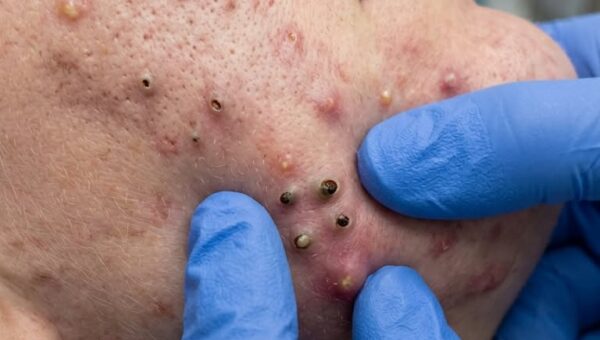
For people with acne-prone skin, maintaining a balanced skin barrier can be an important part of a gentle skin care routine. Acne can involve several factors, including oil production, clogged pores, and inflammation. Although supporting the skin barrier is not a guaranteed way to prevent or eliminate acne, healthy skin care habits may help create a more comfortable environment for the skin.
One common challenge is the temptation to use too many strong products in an effort to achieve clearer-looking skin quickly. Frequent cleansing, harsh scrubbing, or using multiple active products without giving the skin time to adjust may leave some people with dryness or irritation. When skin feels dry, tight, or uncomfortable, it can be a sign that a routine may need to become gentler.
A simple approach often begins with avoiding unnecessary irritation. Using a mild cleanser, washing without aggressive rubbing, and choosing products that suit individual skin needs can help support everyday comfort. Applying a suitable moisturizer may also be helpful, even for people who have oily or acne-prone skin. Moisturizers can support the skin’s ability to maintain hydration and may help reduce the feeling of dryness caused by environmental conditions or certain skin care products.
Sun protection is another part of a balanced skin care routine. Daily exposure to sunlight and other environmental factors can affect how the skin feels and looks over time. Choosing appropriate sun protection and following product directions can be a practical way to support overall skin wellness.
Consistency can also be more valuable than constantly changing products. Trying several new products at once may make it difficult to understand how the skin responds. A gradual and simple routine gives individuals an opportunity to observe changes and make thoughtful adjustments when needed.
Lifestyle habits can support skin wellness as well. Drinking enough fluids, eating a varied and balanced diet, getting adequate rest, and managing everyday stress can all contribute to general well-being. These habits are not guaranteed acne solutions, but they can be part of a broader approach to caring for the body and skin.
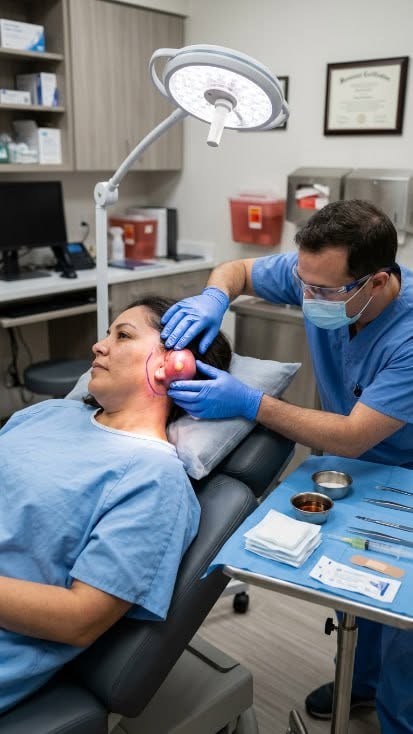
Skin barrier health is an important piece of the larger picture of acne-prone skin care. A gentle, consistent approach may help support comfort and balance while avoiding unnecessary stress on the skin. For persistent or concerning skin problems, consulting a qualified healthcare professional or dermatologist can provide personalized guidance.