Understanding Inflammation and Acne Health

Acne is one of the most common skin concerns experienced by people of all ages.
While clogged pores and excess oil often receive the most attention, inflammation also plays an important role in how acne develops and heals.
Learning how inflammation affects the skin can help you make informed choices that support healthier skin over time. By combining gentle skincare habits with a balanced lifestyle, you can create an environment that encourages your skin to look and feel its best.
Inflammation is the body’s natural response to irritation, injury, or unwanted microorganisms. It is an essential part of the immune system and helps protect the body while supporting healing. However, when inflammation becomes excessive or continues for long periods, it may contribute to redness, swelling, tenderness, and slower recovery in acne-prone skin.
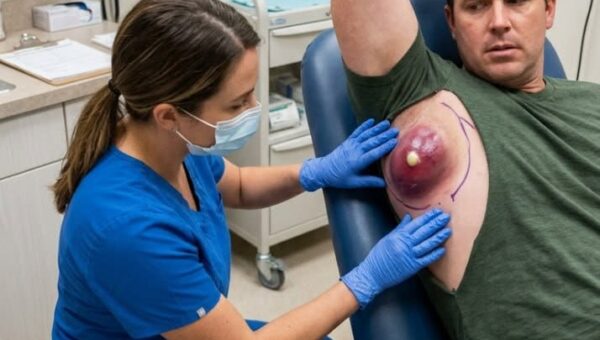
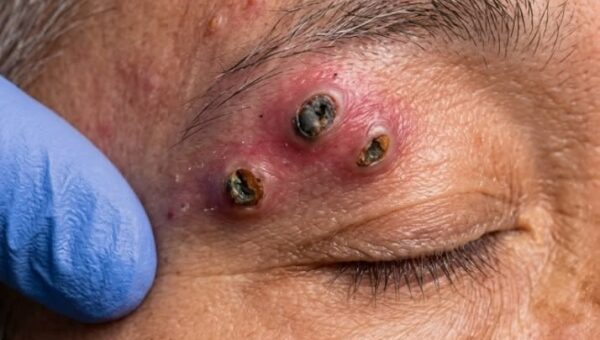
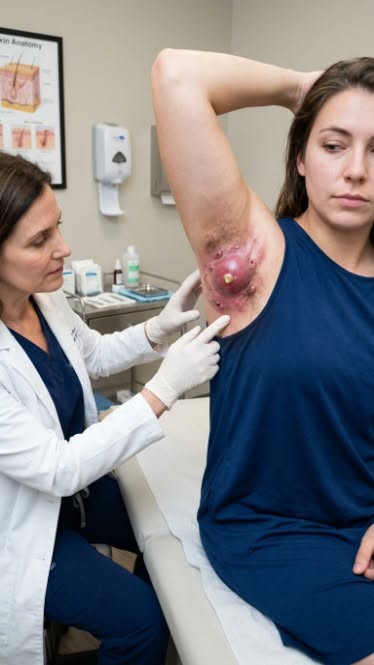
When a pore becomes blocked with oil, dead skin cells, and other debris, bacteria that naturally live on the skin can multiply inside the clogged pore. The immune system reacts by sending inflammatory cells to the area. This response may lead to the familiar appearance of red pimples, swollen bumps, or deeper blemishes. Although inflammation is part of the healing process, reducing unnecessary irritation can help the skin recover more comfortably.
Gentle skincare habits can make a meaningful difference. Washing your face twice a day with a mild cleanser helps remove excess oil without stripping the skin of its natural moisture. Harsh scrubbing or using too many strong skincare products at once may increase irritation, making inflammation more noticeable. Choosing products designed for your skin type and introducing new products gradually can help maintain a balanced skincare routine.
Daily sun protection is another valuable habit. Excessive sun exposure may contribute to skin irritation and make post-acne marks appear more noticeable. Applying a broad-spectrum sunscreen that suits acne-prone skin can help protect your complexion while supporting long-term skin health.
Nutrition may also influence overall skin wellness. Eating a balanced diet filled with colorful vegetables, fruits, whole grains, lean proteins, and healthy fats provides nutrients that support the body’s natural functions. Drinking enough water throughout the day also helps maintain normal hydration. While no single food guarantees clear skin, consistent healthy eating habits contribute to overall well-being, which may benefit the skin.
Stress management is another important factor. During stressful periods, the body produces hormones that may influence oil production and skin sensitivity in some individuals. Finding healthy ways to relax, such as walking, stretching, reading, or practicing mindfulness, may help support both emotional wellness and healthy skin.
Quality sleep also deserves attention. During sleep, the body carries out many repair processes that support overall health. Establishing a regular sleep schedule gives your body the opportunity to recover from the demands of daily life and maintain healthy skin function.
It is equally important to avoid picking or squeezing pimples. Although it may seem tempting, touching blemishes can increase irritation, prolong healing, and raise the chance of temporary marks. Allowing the skin to heal naturally while following a gentle skincare routine is often the better approach.
Understanding the connection between inflammation and acne encourages a more balanced view of skincare. Healthy daily habits, consistent skincare, proper hydration, nutritious meals, stress management, and adequate rest all work together to support skin wellness. While improvements often take time, patience and steady self-care can help promote healthier-looking skin and greater confidence in the long run.