Understanding Common Acne and Lifestyle Connections

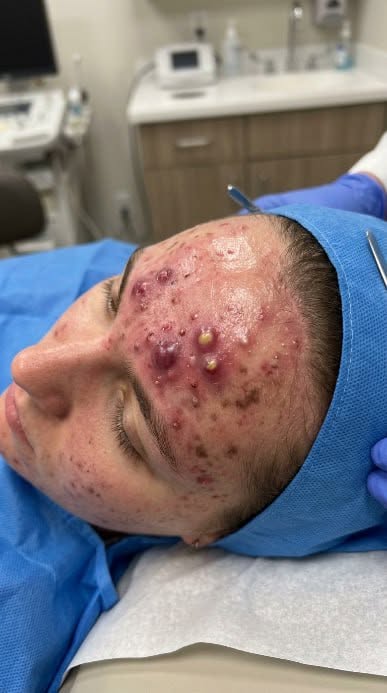
Acne is a common skin concern that can appear at different stages of life.
While it is often associated with the teenage years, adults can experience breakouts as well.
Acne may develop when oil, dead skin cells, and other material contribute to blocked pores. Hormonal changes, genetics, skin characteristics, and everyday habits can all play a role in how frequently breakouts appear.
Understanding the connection between lifestyle and skin health can make acne care feel more manageable. Although lifestyle habits are not the only reason someone develops acne, maintaining a balanced routine may help support overall skin wellness.
One important area to consider is daily skin care. Washing the face gently can help remove excess oil, sweat, and surface impurities without unnecessarily irritating the skin. Using harsh products or scrubbing too frequently may leave the skin feeling uncomfortable and can make a routine harder to maintain. Simple, consistent care is often more practical than constantly changing products.
Nutrition is another part of a healthy lifestyle. Eating a varied diet that includes vegetables, fruits, whole grains, protein sources, and healthy fats provides important nutrients for overall health. Some people notice that particular foods seem to coincide with changes in their skin, while others do not notice a clear connection. Keeping meals balanced and paying attention to personal patterns can be a reasonable approach without unnecessarily restricting foods.
Sleep and stress management also deserve attention. Busy schedules and ongoing stress can make it more difficult to maintain regular skin care, nutritious meals, physical activity, and adequate rest. Creating a calming evening routine, taking short breaks during the day, or enjoying gentle physical activity may support general well-being and make healthy habits easier to maintain.
Another useful habit is being mindful of touching the face. Hands can carry oils and everyday residue, and frequent touching may irritate areas that are already sensitive. Avoiding unnecessary picking or squeezing can also help reduce irritation and prevent temporary marks from becoming more noticeable.
Lifestyle changes should be viewed as supportive habits rather than guaranteed solutions for acne. Skin can behave differently from person to person, and breakouts may continue even when someone follows a healthy routine. Persistent, painful, or bothersome acne may be worth discussing with a qualified healthcare professional or dermatologist, who can provide guidance suited to individual needs.
Ultimately, caring for acne does not have to involve complicated routines. Gentle skin care, balanced meals, adequate rest, stress awareness, and consistent daily habits can create a supportive foundation for skin wellness. By focusing on realistic changes instead of perfection, people can build routines that feel comfortable, sustainable, and positive for both their skin and everyday life.