
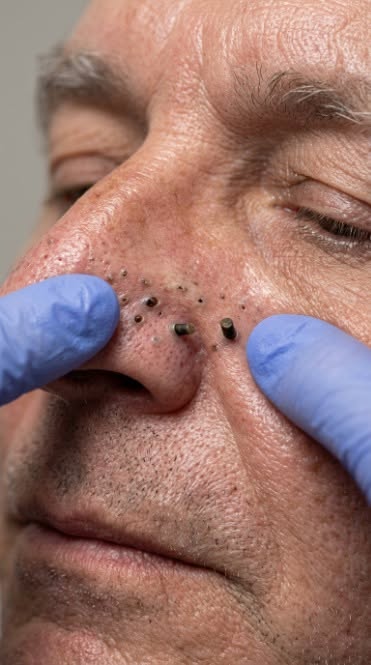
The Relationship Between Wellness and Skin Health

Healthy skin is often seen as a reflection of good self-care, but skin wellness is connected to much more than a skincare routine.
Daily habits, nutrition, hydration, sleep, physical activity, and stress management can all
contribute to how the skin looks and feels. Taking care of overall wellness can therefore be a valuable part of maintaining comfortable, healthy-looking skin.
Nutrition is one important part of this relationship. The skin needs a variety of nutrients to support its normal functions, and eating a balanced diet can help provide them. Fruits, vegetables, whole grains, lean proteins, nuts, seeds, and other nutritious foods can add vitamins, minerals, healthy fats, and other beneficial nutrients to everyday meals. Rather than focusing on one particular food as a solution, it is generally more helpful to build consistent and varied eating habits.
Hydration also plays a role in everyday skin wellness. Drinking enough fluids supports the body’s normal functions and can help prevent the discomfort associated with dehydration. Individual fluid needs can vary depending on factors such as activity level, climate, and daily routines. Making water a regular part of the day is a simple habit that can support overall well-being.
Sleep is another important consideration. During restful sleep, the body has time to carry out many normal maintenance processes. Establishing a consistent sleep schedule and creating a relaxing bedtime routine may help support both general wellness and skin comfort. Simple habits, such as reducing unnecessary screen time before bed and keeping a comfortable sleeping environment, can make a nighttime routine easier to maintain.
Stress management is equally worth considering. Everyday stress can affect how people care for themselves and may influence various aspects of well-being. Relaxing activities such as walking, reading, gentle stretching, hobbies, or spending time with friends can provide healthy ways to unwind. Finding enjoyable methods of relaxation can make wellness habits feel more natural and sustainable.
Skincare still has an important place in maintaining healthy-looking skin. Gentle cleansing, regular moisturizing when appropriate, and protecting the skin from excessive sun exposure are practical habits for many people. It is also helpful to avoid constantly changing products, especially when the skin seems comfortable with a simple routine.
Wellness and skin health are best viewed as parts of the same bigger picture. There is no single habit that guarantees perfect skin, and everyone’s skin is different. Instead, small and consistent choices can add up over time. By combining balanced nutrition, hydration, restful sleep, stress management, physical activity, and sensible skincare, people can create a supportive lifestyle that benefits both their overall wellness and their skin.
When persistent or concerning skin changes occur, consulting a qualified healthcare professional or dermatologist can provide personalized guidance. A balanced approach to wellness can help make skin care less complicated while encouraging healthy habits that support the body as a whole.