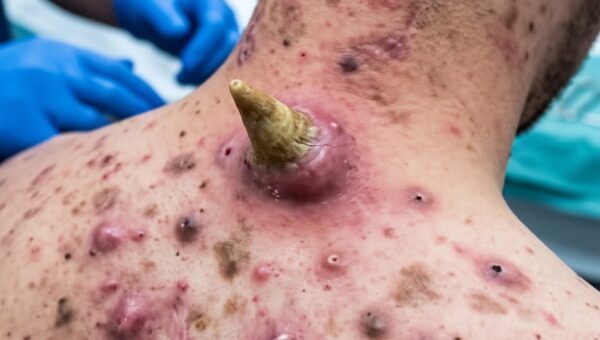
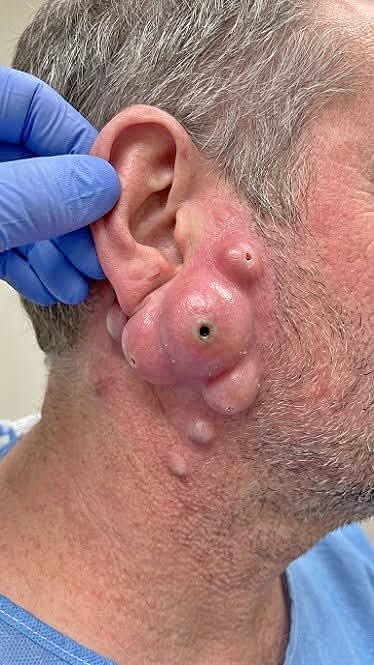
The Best Healthy Habits for Acne Control

Acne is one of the most common skin concerns, affecting people of all ages.
While there is no single solution that works for everyone, adopting healthy daily habits can play an important role in supporting clearer, healthier-looking skin.
Consistent self-care, balanced nutrition, and good lifestyle choices may help reduce the factors that contribute to breakouts. The key is to focus on long-term habits instead of expecting overnight results.
One of the most effective habits for acne control is maintaining a gentle skincare routine. Washing your face twice a day with a mild cleanser helps remove excess oil, dirt, and sweat without stripping the skin of its natural moisture. Overwashing or using harsh scrubs can irritate the skin and may make acne appear worse. Choosing skincare products labeled as non-comedogenic can also help reduce the chance of clogged pores.
Keeping your skin hydrated is another important habit. Drinking enough water throughout the day supports overall health and helps maintain normal skin function. Although water alone does not cure acne, proper hydration contributes to a healthier complexion and may help the skin feel more balanced. Applying a lightweight moisturizer suitable for your skin type can also prevent dryness and support the skin’s natural protective barrier.
Eating a balanced diet filled with nutritious foods can benefit both your body and your skin. Fresh vegetables, colorful fruits, whole grains, lean proteins, and healthy fats provide vitamins and minerals that support overall wellness. Limiting highly processed foods and sugary snacks may be helpful for some individuals, as everyone responds differently to dietary choices. Paying attention to how your skin reacts to certain foods can help you make informed decisions about your eating habits.
Quality sleep is often overlooked, yet it is an essential part of healthy skin care. During sleep, your body carries out important repair processes that support overall health. Establishing a regular sleep schedule and aiming for enough rest each night can contribute to better well-being and may help your skin recover from daily stress.
Managing stress is another valuable habit for acne control. Everyday stress can influence the body in ways that may affect the skin. Relaxing activities such as walking, stretching, reading, deep breathing, or spending time on enjoyable hobbies can help improve emotional well-being. Building healthy ways to manage stress supports both mental and physical health.
It is also important to avoid touching or picking at pimples. While it can be tempting, picking at blemishes may increase irritation and raise the risk of marks or scarring. Keeping your hands away from your face and maintaining clean pillowcases, towels, makeup brushes, and phone screens can reduce the transfer of dirt and oil to the skin.
Regular physical activity supports overall health and may contribute to healthier-looking skin by improving circulation and reducing stress. After exercising, washing away sweat with a gentle cleanser can help keep your skin feeling fresh. Wearing clean workout clothing and avoiding staying in sweaty clothes for long periods are also helpful habits.
Finally, remember that healthy skin is built through patience and consistency. Acne often improves gradually rather than immediately. Following a simple skincare routine, making balanced lifestyle choices, and seeking advice from a qualified healthcare professional for persistent or severe acne can help you find the approach that works best for your individual needs. By practicing healthy habits every day, you can support clearer skin while improving your overall health and confidence.