
Skin Wellness Tips for People With Acne

Caring for acne-prone skin can feel challenging, especially when changes in your complexion seem unpredictable.
A healthy skin routine does not need to be complicated. Simple, consistent habits can help
support skin comfort, protect the skin barrier, and encourage a balanced appearance over time. The goal is to care for your skin gently rather than trying to achieve perfection overnight.
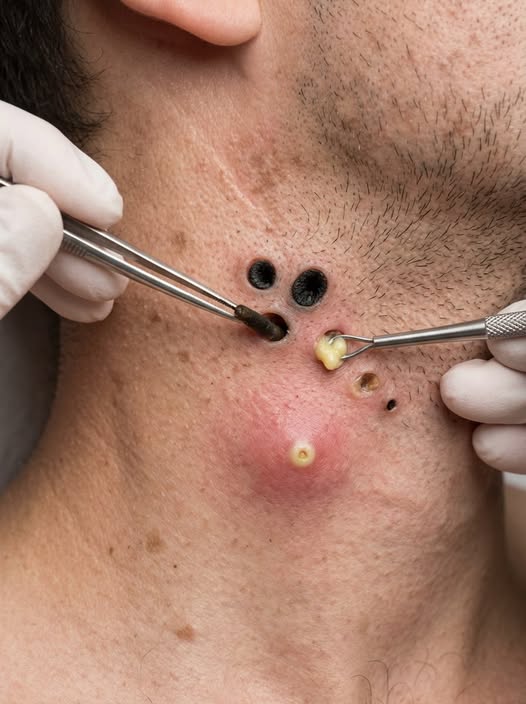
One of the most helpful habits is keeping your skincare routine simple. Washing the face gently can remove excess oil, sweat, and everyday buildup without unnecessarily irritating the skin. A mild cleanser and lukewarm water are often more comfortable than harsh scrubbing or very hot water. Rubbing or picking at blemishes can also make the skin more irritated, so keeping your hands away from affected areas is a useful everyday practice.
Moisturizing is another important part of skin wellness, even when your skin tends to look oily. Acne-prone skin can still become dry or uncomfortable, particularly when using products designed to manage breakouts. Choosing a lightweight, non-comedogenic moisturizer may help maintain a comfortable skin barrier without feeling overly heavy.
Sun protection also deserves attention. Daily exposure to sunlight can affect the overall appearance of the skin and may make some marks left after breakouts more noticeable. Using a broad-spectrum sunscreen that feels comfortable on your skin can be a practical part of a morning routine. If you spend extended time outdoors, reapplying sunscreen as directed can provide additional protection.
Healthy lifestyle habits can support overall skin wellness as well. Eating a varied diet that includes vegetables, fruits, whole grains, protein sources, and healthy fats provides nutrients that the body needs for normal function. Staying hydrated throughout the day and getting enough sleep can also contribute to general well-being. While lifestyle habits cannot guarantee clear skin, they can be part of a balanced approach to caring for yourself.
Stress management may be helpful, too. Busy schedules, emotional pressure, and insufficient rest can make daily self-care more difficult. Simple activities such as walking, reading, stretching, spending time with loved ones, or taking a few quiet minutes away from screens can encourage relaxation and make healthy routines easier to maintain.
It is also useful to remember that every person’s skin is different. A product that works well for one person may not be suitable for another. Introducing several new products at once can make it difficult to understand how your skin responds, so gradual changes may be easier to manage.
If acne is persistent, painful, worsening, or affecting your confidence, consider speaking with a dermatologist or other qualified healthcare professional. Professional guidance can help identify appropriate treatment options for your individual skin needs.
Most importantly, acne does not define your appearance or your worth. With gentle care, realistic expectations, and consistent wellness habits, you can create a skincare routine that supports comfortable, healthy-looking skin every day.