
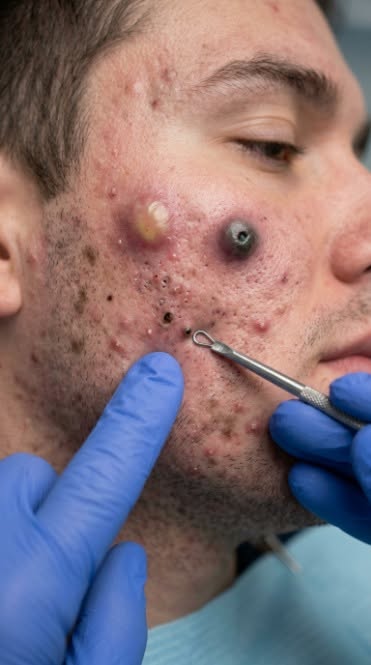
Skin Wellness Tips for People With Acne

Acne can be a common part of life, and caring for acne-prone skin does not have to mean following a complicated routine.
Skin wellness is often about building simple, consistent habits that support the skin while
also encouraging overall well-being. Every person’s skin is different, so a gentle and patient approach can be more helpful than constantly changing products or routines.
One of the most useful habits for acne-prone skin is keeping daily skin care simple. Washing the face gently can help remove sweat, excess oil, and everyday buildup without causing unnecessary dryness. Using harsh scrubs or washing too frequently may leave the skin feeling irritated or uncomfortable. A mild routine that feels comfortable and easy to maintain can support a balanced approach to skin care.
Moisturizing can also be an important part of skin wellness, even for people who have oily or acne-prone skin. When the skin feels dry or stressed, it may become uncomfortable and sensitive. Choosing a moisturizer that suits your skin type can help support a healthy-looking skin barrier and improve the overall feel of the skin. Consistency is often more valuable than using many different products at once.
Daily habits outside the bathroom may also play a role in how the skin feels. Getting enough rest can support general wellness and give the body time to recharge. Creating a relaxing evening routine, reducing unnecessary stress, and making time for enjoyable activities may contribute to a healthier lifestyle. While stress is a normal part of life, finding gentle ways to manage busy days can benefit both emotional well-being and daily self-care.
Food and hydration are also part of a balanced wellness routine. Eating a variety of fruits, vegetables, whole grains, protein-rich foods, and healthy fats can help support overall nutrition. Drinking water regularly throughout the day can also help maintain normal hydration. There is no single food that guarantees clear skin, so focusing on balanced eating habits may be more practical than following strict or complicated diets.
It can also be helpful to pay attention to habits that involve touching the face. Hands may carry dirt or oil from everyday activities, so avoiding unnecessary face touching can be a simple part of maintaining good skin hygiene. Keeping items that regularly touch the face, such as pillowcases, towels, phones, and makeup tools, reasonably clean may also support a comfortable skin care routine.
Another important part of skin wellness is patience. Acne may change over time, and improvements are not always immediate. Constantly switching products can make it difficult to understand what works well for your skin. Giving a simple routine time and paying attention to how your skin responds can encourage a calmer approach.
People with persistent or bothersome acne may also choose to speak with a qualified health professional or dermatologist for personalized guidance. Professional advice can help individuals better understand their skin and explore suitable care options.
Skin wellness is not about achieving perfection. It is about creating supportive habits, treating your skin gently, and caring for your overall well-being. With consistency, patience, and a balanced routine, people with acne can focus on feeling comfortable and confident while supporting their skin in everyday life.