Skin Health Essentials for Better Acne Management

Managing acne successfully begins with understanding that healthy skin requires consistent care and healthy daily habits.
Acne is a common skin condition that affects people of all ages, and while it cannot always be prevented,
taking good care of your skin can help reduce breakouts and improve your complexion over time.
A balanced approach that combines gentle skincare, healthy lifestyle choices, and patience often delivers the best results.
One of the most important essentials for acne management is keeping the skin clean without overdoing it. Washing your face twice a day with a gentle cleanser helps remove excess oil, dirt, and sweat that can build up on the skin. Harsh scrubbing or frequent washing may irritate the skin, causing dryness and making acne appear worse. Choosing products that match your skin type can help maintain a healthy skin barrier.
Moisturizing is another key part of a healthy skincare routine. Many people with acne believe they should avoid moisturizers, but hydrated skin is better able to protect itself from irritation. A lightweight, non-comedogenic moisturizer can provide hydration without clogging pores. This simple step helps keep the skin balanced and comfortable throughout the day.
Sun protection is equally important for maintaining healthy skin. Daily use of a broad-spectrum sunscreen can help protect the skin from harmful ultraviolet rays, which may contribute to uneven skin tone and premature aging. Some acne treatments can also increase sensitivity to sunlight, making sunscreen an essential part of everyday skincare.
Healthy nutrition may also support overall skin health. Eating a balanced diet filled with fruits, vegetables, whole grains, lean proteins, and healthy fats provides vitamins and minerals that contribute to normal skin function. Drinking enough water throughout the day supports overall hydration and helps maintain healthy body functions. While no single food guarantees clear skin, a nutritious eating pattern can be part of a healthy lifestyle.
Getting enough sleep is another valuable habit for skin wellness. During sleep, the body carries out important repair processes that support overall health, including the skin. Maintaining a regular sleep schedule may help you feel refreshed and better prepared to manage daily stress, which can influence overall well-being.
Stress management also plays a supportive role in acne care. Everyday stress is a normal part of life, but finding healthy ways to relax can benefit both the mind and body. Gentle exercise, reading, spending time outdoors, or practicing calming activities may help reduce stress and encourage healthier daily routines.
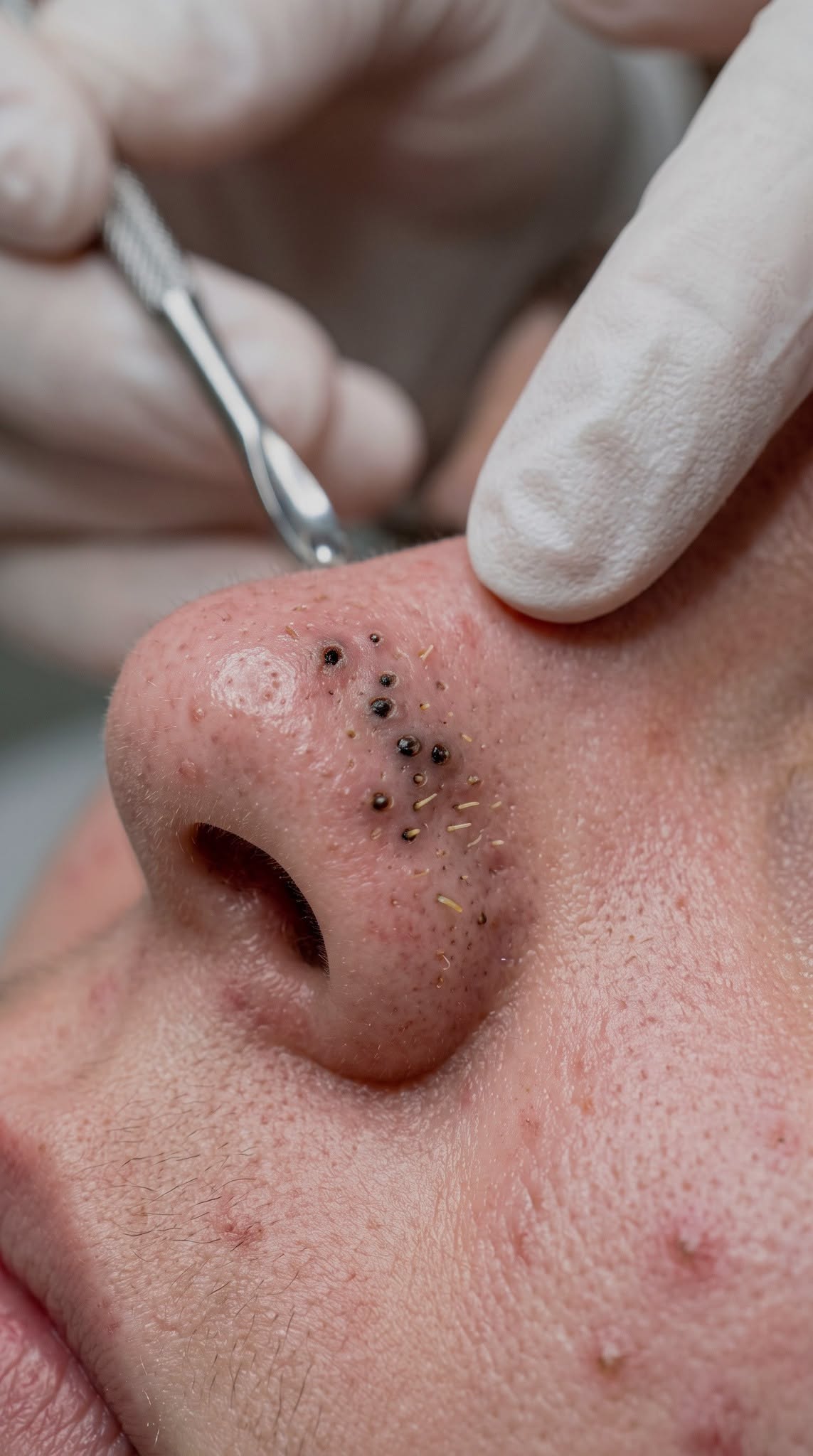
It is also important to avoid picking or squeezing pimples. Although it can be tempting, touching blemishes may increase irritation and raise the chance of temporary marks or infection. Allowing the skin to heal naturally while following a consistent skincare routine often leads to better long-term results.
Finally, remember that improving acne usually takes time. Healthy skin develops through regular care rather than quick fixes. Staying consistent with gentle cleansing, moisturizing, sun protection, healthy eating, quality sleep, and positive lifestyle habits creates a strong foundation for better acne management. If acne becomes severe or continues despite proper skincare, consulting a qualified healthcare professional or dermatologist can help identify suitable treatment options. With patience and steady care, healthier-looking skin is an achievable goal for many people.