
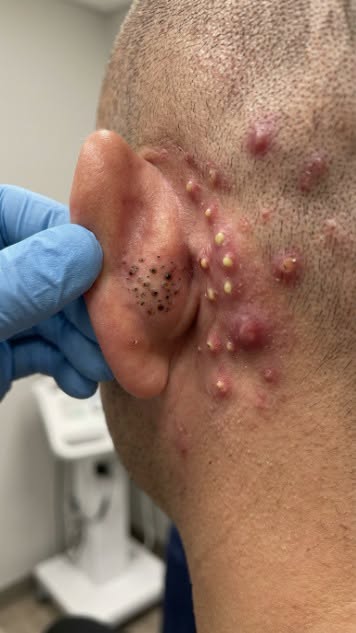
Skin Health and Acne Prevention Guide

Healthy skin is something many people hope to achieve, and taking simple steps every day can make a noticeable difference.
While acne is a common skin concern that affects people of all ages, it does not have to control your confidence.
Understanding how to care for your skin and support your overall health can help reduce the chances of breakouts while promoting a fresh, healthy appearance.
One of the most important habits for healthy skin is keeping it clean without overdoing it. Washing your face twice a day with a gentle cleanser helps remove excess oil, dirt, and sweat that build up throughout the day. Scrubbing too hard or washing too often can irritate the skin and may lead to increased oil production. Gentle care allows the skin’s natural protective barrier to remain strong.
Choosing skincare products that match your skin type is also important. If your skin is oily, lightweight and non-comedogenic products are often a good choice because they are designed not to clog pores. Those with dry or sensitive skin may benefit from fragrance-free moisturizers that provide hydration while reducing irritation. Applying sunscreen every day helps protect the skin from harmful ultraviolet rays and supports long-term skin health.
A balanced diet can also contribute to healthier-looking skin. Eating plenty of colorful fruits, vegetables, whole grains, lean proteins, and healthy fats provides nutrients that support normal skin function. Drinking enough water throughout the day helps maintain hydration, which is important for overall wellness. While no single food can completely prevent acne, a balanced eating pattern may help support healthier skin over time.
Good sleep habits are another valuable part of skin care. During sleep, the body naturally works to repair and renew itself. Adults should aim for enough quality sleep each night to support overall health. Managing daily stress through relaxing activities such as walking, reading, stretching, or deep breathing may also help improve general well-being, which can positively influence skin health.
Keeping your hands away from your face is a simple habit that many people overlook. Frequently touching the face can transfer dirt, oil, and bacteria from the hands to the skin. It is also best to avoid picking or squeezing pimples because doing so may increase irritation and raise the chance of temporary marks or scarring.
Regularly cleaning items that come into contact with your face can also be helpful. Pillowcases, makeup brushes, towels, and mobile phone screens can collect oils and debris over time. Washing or disinfecting these items regularly supports a cleaner skincare routine.
Physical activity supports healthy circulation and overall wellness. After exercising, washing away sweat with a gentle cleanser can help keep the skin feeling fresh. Wearing clean workout clothing may also reduce unnecessary skin irritation.
Everyone’s skin is unique, so it is normal for routines to require small adjustments over time. If acne becomes severe, painful, or continues despite consistent self-care, consulting a qualified healthcare professional or dermatologist can provide personalized guidance and appropriate treatment options.
Healthy skin is built through consistent daily habits rather than quick fixes. Gentle cleansing, balanced nutrition, proper hydration, sun protection, stress management, quality sleep, and thoughtful skincare choices all work together to support clearer, healthier skin. By following these simple practices, you can create a routine that promotes skin health and helps reduce the likelihood of future acne breakouts.