
Practical Tips for Maintaining Skin Health

Healthy skin is not about having a perfectly smooth complexion every day.
Skin naturally changes with age, weather, stress, sleep, and daily habits.
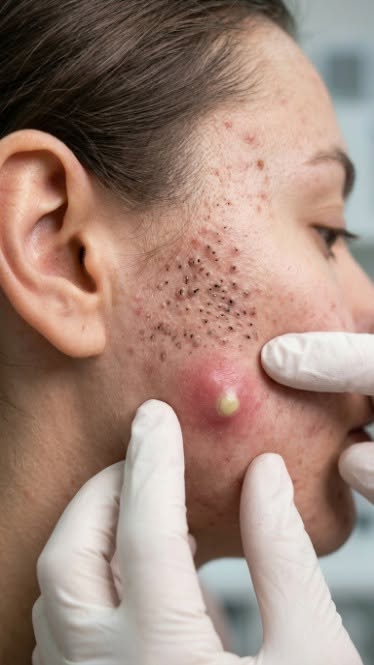
When acne appears, a simple and consistent approach can help support the skin while keeping your routine manageable. Understanding basic skin care principles is a useful starting point for maintaining a healthy-looking complexion.
One of the most important habits is gentle cleansing. Washing the face in the morning and before bed can help remove excess oil, sweat, dirt, and other buildup. Choose a mild cleanser that feels comfortable on the skin rather than one that leaves the face feeling tight or overly dry. Scrubbing too hard can irritate the skin and may make an acne-prone complexion feel more uncomfortable.
Moisturizing is also important, even when the skin tends to look oily. A lightweight, non-comedogenic moisturizer can help maintain the skin’s natural moisture balance. When the skin becomes excessively dry, it may feel irritated and uncomfortable. Keeping the skin properly moisturized can make a daily routine more pleasant and support the skin barrier.
Sun protection should be part of everyday skin care. Spending time outdoors without protection can contribute to uneven-looking skin and can make some marks left after blemishes more noticeable. Applying a broad-spectrum sunscreen with an appropriate SPF can help protect the skin during outdoor activities. Wearing a hat and seeking shade can provide additional protection when spending extended time outside.
It is also helpful to avoid frequently touching, squeezing, or picking at blemishes. These habits can irritate the skin and may increase the chance of lingering marks. Instead, allow the skin time to recover and maintain a gentle routine. If a particular product causes persistent irritation, consider stopping it and choosing a simpler alternative.
Daily lifestyle habits can support overall skin wellness as well. Drinking enough water, eating a varied and balanced diet, getting regular physical activity, and maintaining a consistent sleep schedule all contribute to general well-being. These habits are not instant solutions for acne, but they can create a healthy foundation for taking care of the body and skin.
Finally, remember that everyone’s skin is different. A routine that works comfortably for one person may not work the same way for another. If acne is persistent, painful, worsening, or affecting confidence, speaking with a qualified healthcare professional or dermatologist can provide personalized guidance.
Healthy skin care does not need to be complicated. Gentle cleansing, regular moisturizing, sun protection, thoughtful daily habits, and patience can help create a practical routine that supports healthier-looking skin over time.