
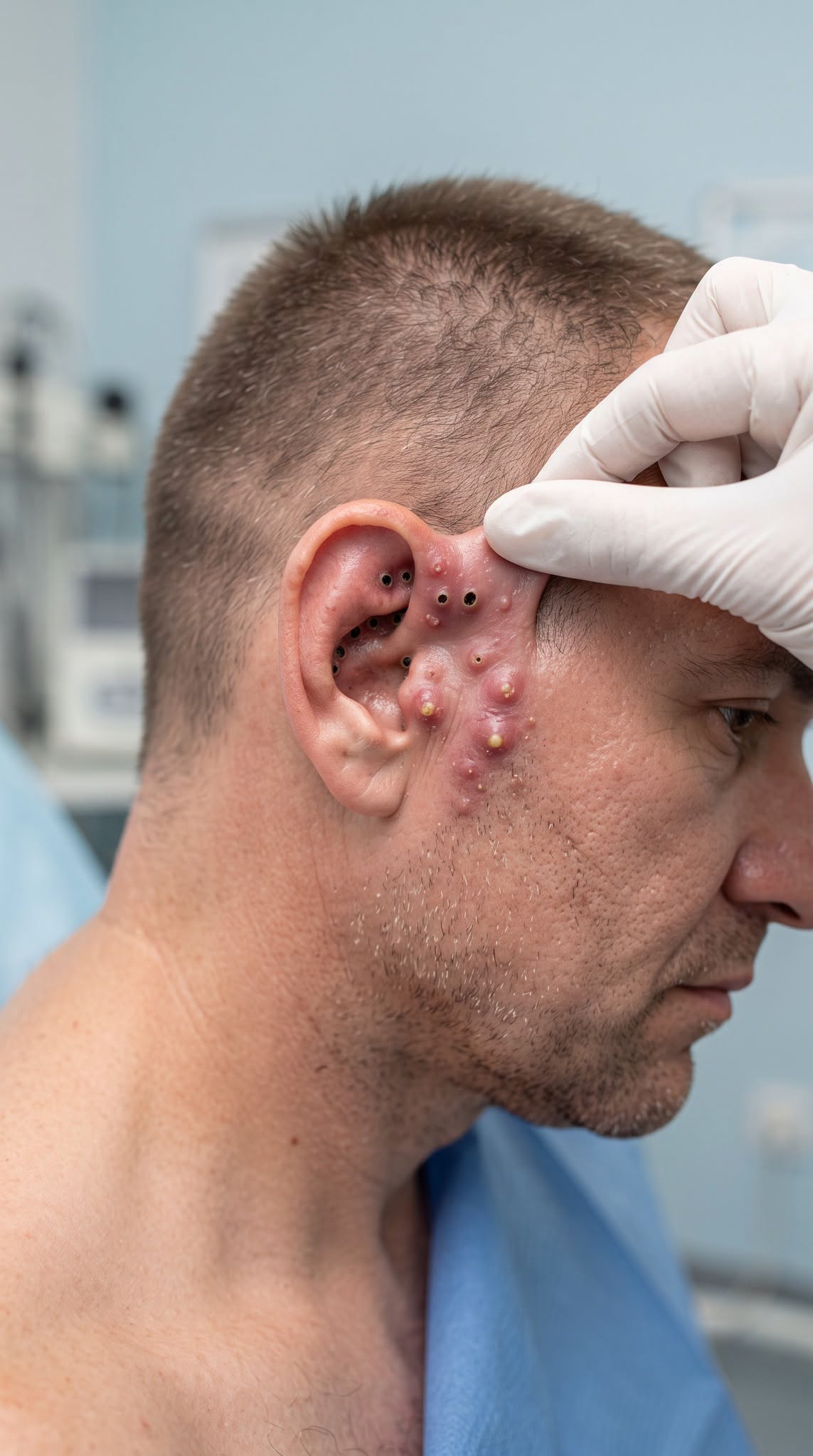
How Sleep Quality May Affect Acne

Sleep is an important part of everyday wellness, and its benefits may extend
to the appearance and overall condition of the skin. While acne can develop for
many different reasons, including genetics, hormones, skin type, and daily habits, sleep quality may also play a supporting role. Getting enough restful sleep does not guarantee clear skin, but healthy sleep habits may help support the body’s natural balance and contribute to overall skin wellness.
During sleep, the body has time to rest and carry out many important processes. A consistent sleep routine may support general physical recovery and help the body maintain a balanced daily rhythm. When sleep is regularly interrupted or shortened, some people may notice changes in their energy, mood, appetite, and overall sense of well-being. These changes can sometimes influence daily habits that are also connected with skin care.
Poor sleep may also make stressful days feel more difficult to manage. Stress is a common part of life, but ongoing stress can affect many areas of wellness. Some people with acne-prone skin may notice that periods of stress seem to coincide with changes in their skin. Although everyone’s experience is different, creating relaxing routines that support better sleep may be a helpful part of an overall approach to healthy living.
A regular bedtime can be one simple way to encourage better sleep quality. Going to bed and waking up at roughly similar times each day may help create a predictable routine. Many people also find it helpful to reduce stimulating activities before bedtime. Stepping away from bright screens, intense work, or stressful tasks may make it easier to relax and prepare for rest.
The sleep environment can also make a difference. A comfortable, quiet, and clean bedroom may support more restful sleep. Keeping bedding fresh is also a sensible skin care habit, especially for people who spend many hours with their face against a pillow. Pillowcases can collect oils, sweat, hair products, and other everyday residue, so changing them regularly may help maintain a cleaner sleeping environment.
Evening skin care habits can complement a healthy sleep routine. Gently cleansing the face before bed can remove dirt, sunscreen, makeup, and excess oil collected throughout the day. Choosing products that suit an individual’s skin type and avoiding overly harsh routines may help keep skin feeling comfortable. It is usually best to keep skin care simple and consistent rather than frequently changing products.
Food and drink choices in the evening may also influence sleep for some people. Heavy meals, large amounts of caffeine, or habits that make it difficult to relax may interfere with restful sleep. A balanced lifestyle that includes regular meals, hydration, movement, and time for relaxation can support overall wellness.
Acne is a complex condition, and sleep is only one possible factor among many. Improving sleep quality should not be viewed as a guaranteed solution for acne. However, giving the body enough time to rest may be a positive part of a broader self-care routine. By creating consistent sleep habits and practicing gentle daily skin care, people can support both their overall well-being and their skin in a realistic, balanced way.