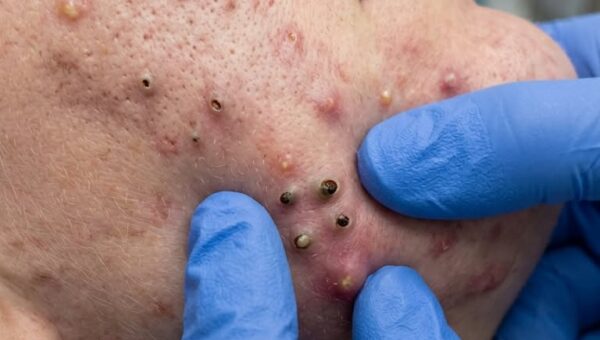

How Seasonal Changes Can Affect Skin and Acne

The changing seasons can bring noticeable differences to everyday life, including the way the skin looks and feels.
Temperature, humidity, sunlight, wind, and changes in daily routines may all influence
the skin’s comfort and appearance. For people with acne-prone skin, these seasonal changes can sometimes make breakouts seem more noticeable or make an existing skincare routine feel less effective. Understanding these changes can make it easier to adjust daily habits and care for the skin in a gentle and balanced way.
During warmer months, higher temperatures and humidity can increase sweating and make the skin feel oilier. Sweat itself is a natural part of the body’s cooling process, but when it mixes with excess oil, dirt, and skincare or cosmetic products, the skin may feel congested. People who spend more time outdoors may also touch their faces more often to wipe away sweat. Wearing hats, helmets, or tight clothing can create additional friction in certain areas. Gentle cleansing after heavy sweating and using comfortable, non-irritating products may help keep the skin feeling fresh.
Cold weather can create a different set of challenges. Lower humidity and dry indoor heating may leave the skin feeling tight, dry, or uncomfortable. When the skin becomes overly dry, people may be tempted to scrub or wash it more frequently, which can sometimes increase irritation. A gentle cleanser and a suitable moisturizer can help support the skin’s natural barrier during dry seasons. Choosing products that feel comfortable rather than overly harsh may be especially helpful when the weather becomes colder.
Spring and autumn can also bring changes that affect the skin. Shifts in temperature and humidity may require small adjustments to a regular skincare routine. Seasonal allergies can sometimes lead to more face touching or rubbing around the nose and eyes, which may irritate sensitive skin. Wind and environmental particles may also leave the skin feeling less comfortable. Keeping the face clean, avoiding unnecessary touching, and maintaining a simple routine can support overall skin comfort during these transition periods.
Seasonal changes may also influence everyday habits connected to skin wellness. In summer, people may spend more time outdoors and exercise more frequently, while colder weather may encourage more time indoors. Changes in sleep schedules, hydration habits, food choices, and stress levels can happen throughout the year as routines change. Although skin responses vary from person to person, maintaining consistent and healthy habits can provide a helpful foundation.
One useful approach is to pay attention to how the skin responds rather than changing many products at once. A simple routine that includes gentle cleansing, appropriate moisturizing, and everyday sun protection can often be easier to maintain throughout the year. Products may need occasional adjustments depending on personal comfort and environmental conditions.
Seasonal changes are a normal part of life, and the skin may need time to adapt. By responding patiently and avoiding overly aggressive skincare habits, it is possible to support skin comfort through warm, cold, dry, and humid weather. Consistency, gentleness, and attention to individual needs can help create a balanced approach to caring for acne-prone skin throughout every season.