
How Overall Health Affects Acne Breakouts

Acne is one of the most common skin concerns, affecting people of all ages.
While many people focus on creams, cleansers, and other skincare products, the condition of your skin is often connected to your overall health. Healthy daily habits can support your body’s natural processes, which may help your skin look and feel its best. Although acne has many possible causes, understanding how overall wellness influences your skin can help you make informed choices that support long-term skin health.
Your skin is the body’s largest organ, and it reflects what is happening inside your body. When your body receives proper nutrition, enough rest, regular physical activity, and good hydration, your skin is better equipped to maintain its natural balance. These healthy habits do not guarantee that acne will disappear, but they can contribute to healthier-looking skin over time.
Nutrition plays an important role in overall wellness. Eating a balanced diet that includes fruits, vegetables, whole grains, lean proteins, and healthy fats provides vitamins and minerals that support normal skin function. Foods rich in antioxidants help protect the body’s cells from everyday environmental stress. At the same time, choosing a variety of nutrient-rich foods helps ensure your body has the building blocks it needs to support healthy skin.
Hydration is another simple but valuable habit. Water supports many essential functions throughout the body, including maintaining healthy skin. Staying well hydrated helps your skin maintain its natural moisture balance and supports overall wellness. While drinking more water alone is not a cure for acne, it is an important part of a healthy lifestyle.
Sleep is often overlooked when discussing skin health. During sleep, your body performs many natural repair processes. Consistently getting enough quality sleep helps support overall physical and mental well-being. A regular sleep schedule may also help you feel more refreshed, making it easier to maintain other healthy habits that benefit your skin.
Stress is another factor that can influence overall health. Everyday stress is a normal part of life, but finding healthy ways to manage it can benefit both your body and your skin. Activities such as walking, reading, stretching, meditation, or spending time outdoors may help you relax. While stress does not directly cause every acne breakout, many people notice that their skin can change during stressful periods.
Regular physical activity also supports general health. Exercise improves circulation, supports cardiovascular health, and contributes to emotional well-being. After exercising, washing away sweat with a gentle cleanser and changing into clean clothing can help keep your skin comfortable and fresh.
Good skincare habits remain an important part of managing acne-prone skin. Cleansing your face gently twice a day, avoiding harsh scrubbing, choosing non-comedogenic skincare products, and removing makeup before bed can all support healthy skin. Being gentle with your skin may help reduce unnecessary irritation.
Hormones also influence acne. During puberty, pregnancy, or other natural stages of life, hormonal changes may increase oil production in the skin. These changes are a normal part of life and affect each person differently. Maintaining healthy daily routines can support overall wellness during these transitions, even though hormonal acne may still occur.
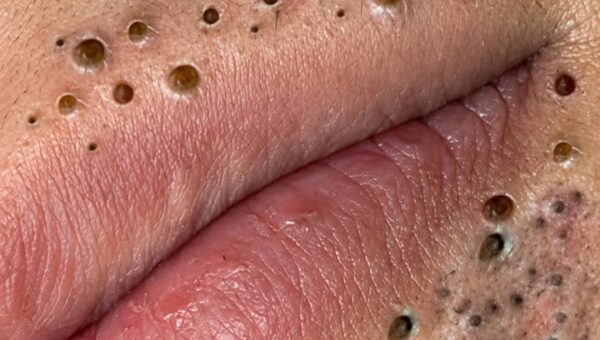
Environmental factors can also affect the skin. Pollution, humidity, and frequent contact with oily surfaces may contribute to clogged pores for some individuals. Washing your face after spending time in heavily polluted environments and keeping items like pillowcases, towels, and phone screens clean can support better skin hygiene.
It is important to remember that everyone’s skin is unique. What works well for one person may not produce the same results for someone else. Patience and consistency are often more helpful than frequently changing skincare products or trying every new trend.
If acne becomes severe, causes discomfort, or leaves lasting marks, consulting a qualified healthcare professional or dermatologist can help you receive personalized guidance. Professional advice can identify underlying factors and recommend appropriate treatment options based on your individual needs.
Overall health and skin health are closely connected. By eating a balanced diet, staying hydrated, getting enough sleep, managing stress, exercising regularly, and following a gentle skincare routine, you create a strong foundation for healthier skin. While these habits may not eliminate acne completely, they support your body’s natural functions and encourage a healthier complexion over time. Small, consistent lifestyle choices can make a meaningful difference in both your overall well-being and the appearance of your skin.