
How Hormonal Health Influences Acne

Hormonal health plays an important role in the condition of your skin, especially when it comes to
acne. Many people notice that breakouts seem to appear during certain stages of life or at specific
times each month. While good skincare habits are helpful, understanding the connection between
hormones and acne can provide valuable insight into why pimples develop and how healthy lifestyle choices may support clearer skin.
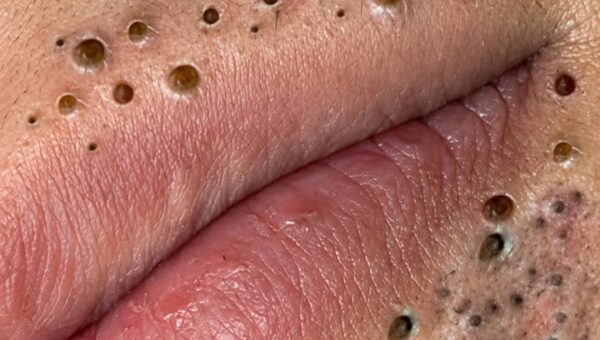
Hormones are natural chemical messengers that help regulate many functions in the body. They influence growth, metabolism, mood, and skin health. One group of hormones called androgens can increase the production of sebum, which is the skin’s natural oil. Sebum helps protect and moisturize the skin, but producing too much of it can lead to clogged pores. When excess oil mixes with dead skin cells, pores may become blocked, creating an environment where acne can develop.
Hormonal changes occur throughout different stages of life. Teenagers often experience acne because hormone levels rise during puberty. Adults may also notice breakouts during times of hormonal fluctuation, such as around the menstrual cycle, during pregnancy, or as part of the natural aging process. Although hormones can influence acne, each person’s skin responds differently, and many factors work together to affect skin health.
Maintaining a balanced lifestyle may help support healthy hormone function. Eating a variety of nutrient-rich foods provides the body with vitamins, minerals, healthy fats, lean proteins, and whole grains that contribute to overall wellness. Fruits and vegetables supply antioxidants that help protect skin from everyday environmental stress. Drinking enough water also supports normal body functions and helps maintain healthy-looking skin.
Quality sleep is another important part of hormonal health. During sleep, the body carries out many natural repair processes. Consistently getting enough rest helps support normal hormone regulation and overall wellbeing. Establishing a relaxing bedtime routine and maintaining a regular sleep schedule may benefit both your health and your skin.
Managing stress is equally valuable. Everyday stress is a normal part of life, but prolonged stress may influence hormone activity in some individuals. Relaxation techniques such as deep breathing, stretching, reading, spending time outdoors, or enjoying a favorite hobby can help create moments of calm. Regular physical activity also supports overall health and contributes to balanced daily routines.
A gentle skincare routine complements healthy lifestyle habits. Washing the face with a mild cleanser twice each day helps remove excess oil, dirt, and impurities without overly drying the skin. Choosing skincare products designed for your skin type may help maintain comfort and support healthy-looking skin. Avoiding harsh scrubbing and picking at blemishes can also reduce unnecessary irritation.
It is important to remember that acne is a common skin concern experienced by people of all ages. Occasional breakouts do not necessarily mean that something is seriously wrong with your health. Skin changes are often influenced by a combination of genetics, hormones, lifestyle habits, and environmental factors.
If acne becomes severe, persistent, or causes emotional distress, consulting a qualified healthcare professional or dermatologist can help identify appropriate treatment options. Personalized advice is often the most effective way to address ongoing skin concerns.
Understanding how hormonal health influences acne encourages a more balanced approach to skincare. Instead of focusing on quick fixes, supporting overall wellness through healthy nutrition, quality sleep, stress management, regular exercise, and gentle skincare habits can contribute to healthier skin over time. Small, consistent daily choices often provide lasting benefits for both your overall wellbeing and your complexion.