
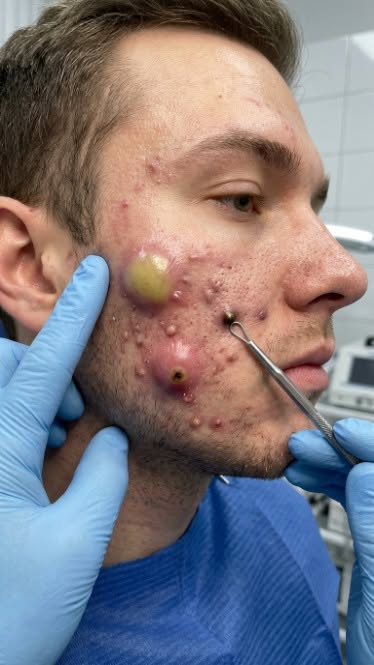
Healthy Ways to Reduce Acne Without Harsh Treatments

Acne is a common skin concern that affects people of all ages.
While many products promise fast results, some harsh treatments may cause dryness, redness, or irritation, especially for sensitive skin.
Fortunately, there are gentle and healthy ways to support clearer skin without relying on strong ingredients or aggressive routines. By focusing on consistent daily habits and overall wellness, you can encourage healthier skin while protecting its natural balance.
A gentle skincare routine is one of the most important steps in managing acne. Washing your face twice a day with a mild cleanser helps remove excess oil, dirt, and sweat without stripping away natural moisture. Scrubbing too hard or washing too often can irritate the skin and may even make breakouts worse. Using lukewarm water instead of hot water can also help keep the skin comfortable and hydrated.
Keeping the skin moisturized is another helpful practice. Some people with acne avoid moisturizers because they worry about making their skin oilier. However, lightweight, non-comedogenic moisturizers are designed not to clog pores and can help maintain a healthy skin barrier. Well-hydrated skin is often better able to recover from everyday stress and environmental exposure.
A balanced diet may also support healthier-looking skin. Eating a variety of fruits, vegetables, whole grains, lean proteins, and healthy fats provides important nutrients that contribute to overall wellness. Foods rich in vitamins, minerals, and antioxidants help support normal skin function. Drinking enough water throughout the day also helps maintain healthy hydration, which benefits the body as a whole.
Good sleep habits can play a valuable role in skin health. During sleep, the body carries out many natural repair processes. Aim for a regular sleep schedule that allows enough rest each night. Quality sleep also supports energy levels, mood, and general well-being, making it easier to maintain healthy daily routines.
Managing stress in healthy ways may also help improve overall skin wellness. Everyday stress can affect many parts of the body, including the skin. Relaxing activities such as walking, reading, gentle stretching, meditation, or spending time outdoors may help you feel calmer. Finding enjoyable hobbies and taking short breaks during busy days can also contribute to better emotional balance.
Another simple habit is avoiding unnecessary touching of the face. Hands often carry dirt, oil, and bacteria that can transfer to the skin. Keeping pillowcases, towels, makeup brushes, and phone screens clean may also help reduce contact with unwanted buildup. Small hygiene habits can make a positive difference over time.
When choosing skincare or cosmetic products, look for those labeled as non-comedogenic or suitable for acne-prone skin. Removing makeup before bed allows the skin to breathe overnight and helps prevent product buildup. Introducing new products one at a time can also make it easier to notice how your skin responds.
Patience is important when caring for acne naturally. Healthy skin improvements usually happen gradually rather than overnight. Consistency with gentle skincare, nutritious eating, adequate sleep, regular hydration, and stress management often creates a strong foundation for healthier skin over time.
If acne becomes severe, painful, leaves scars, or does not improve despite consistent self-care, consulting a qualified healthcare professional or dermatologist is a wise step. They can recommend treatments that are appropriate for your skin type and individual needs. Combining professional guidance with healthy daily habits offers a balanced approach to supporting clearer, healthier skin without relying on unnecessarily harsh treatments.