
Healthy Supplements That May Support Acne Care

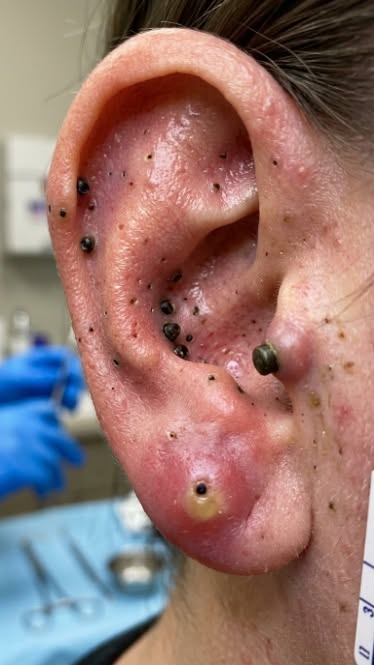
Acne is a common skin concern that affects people of many ages.
While a consistent skincare routine and healthy lifestyle are important, some people also look to supplements for additional support.
Although supplements are not a cure for acne, certain nutrients may help maintain healthy skin when
combined with balanced eating, good hygiene, regular sleep, and stress management. It is always a good idea to speak with a healthcare professional before starting any new supplement, especially if you have medical conditions or take prescription medications.
One of the most well-known nutrients for skin health is zinc. This essential mineral supports many natural processes in the body, including normal immune function and skin repair. Some studies suggest that people with acne may have lower zinc levels than others. Including zinc through foods or supplements, when appropriate, may help support overall skin wellness. However, taking too much zinc can cause unwanted side effects, so it is important to follow recommended dosages.
Omega-3 fatty acids are another popular choice for supporting healthy skin. These healthy fats are commonly found in fish oil and algae-based supplements. Omega-3s help maintain the skin’s natural barrier and support the body’s normal inflammatory response. Eating fatty fish regularly is an excellent option, but supplements may be useful for individuals who do not consume enough omega-3-rich foods.
Vitamin D also plays an important role in overall health. It supports immune function and contributes to healthy skin. Some individuals may have low vitamin D levels due to limited sun exposure or other factors. If a healthcare provider identifies a deficiency, appropriate supplementation may be recommended as part of an overall wellness plan.
Probiotics have gained attention because of the connection between gut health and skin health. These beneficial microorganisms help maintain a balanced digestive system, which may indirectly support healthier-looking skin. While research is still developing, including probiotic-rich foods or suitable supplements may be beneficial for some people as part of a balanced lifestyle.
Vitamin A is essential for healthy skin, but caution is necessary. High doses of vitamin A supplements can be harmful, making it important to avoid self-prescribing large amounts. Most people can meet their needs through a nutritious diet that includes colorful vegetables and fruits. If supplementation is considered, it should only be done under professional guidance.
Vitamin E and selenium are antioxidants that help protect cells from oxidative stress. They work alongside a healthy diet filled with fruits, vegetables, whole grains, and lean proteins. While supplements containing these nutrients are available, they are generally most beneficial when used responsibly and only if dietary intake is insufficient.
Collagen supplements have become increasingly popular for skin wellness. Although collagen is more commonly associated with skin elasticity and hydration than acne itself, maintaining healthy skin structure may contribute to an overall healthier complexion. More research is needed to fully understand its specific role in acne care.
Biotin is another supplement often marketed for hair, skin, and nails. However, evidence supporting its benefits for acne is limited. In some cases, excessive biotin intake may interfere with certain laboratory tests, so it is wise to inform your healthcare provider if you are taking it.
The best approach to supporting acne-prone skin is to focus on overall wellness rather than relying on a single supplement. Eating a balanced diet rich in vegetables, fruits, whole grains, lean proteins, healthy fats, and plenty of water provides many nutrients that naturally support skin health. Regular exercise, quality sleep, and gentle skincare habits also play valuable roles.
Healthy supplements may offer additional support for some individuals, but they work best as part of a complete wellness routine. Choosing high-quality products, following recommended serving sizes, and seeking guidance from a qualified healthcare professional can help ensure safe and appropriate use. By combining healthy daily habits with informed supplement choices, you can support your skin while promoting overall well-being.