
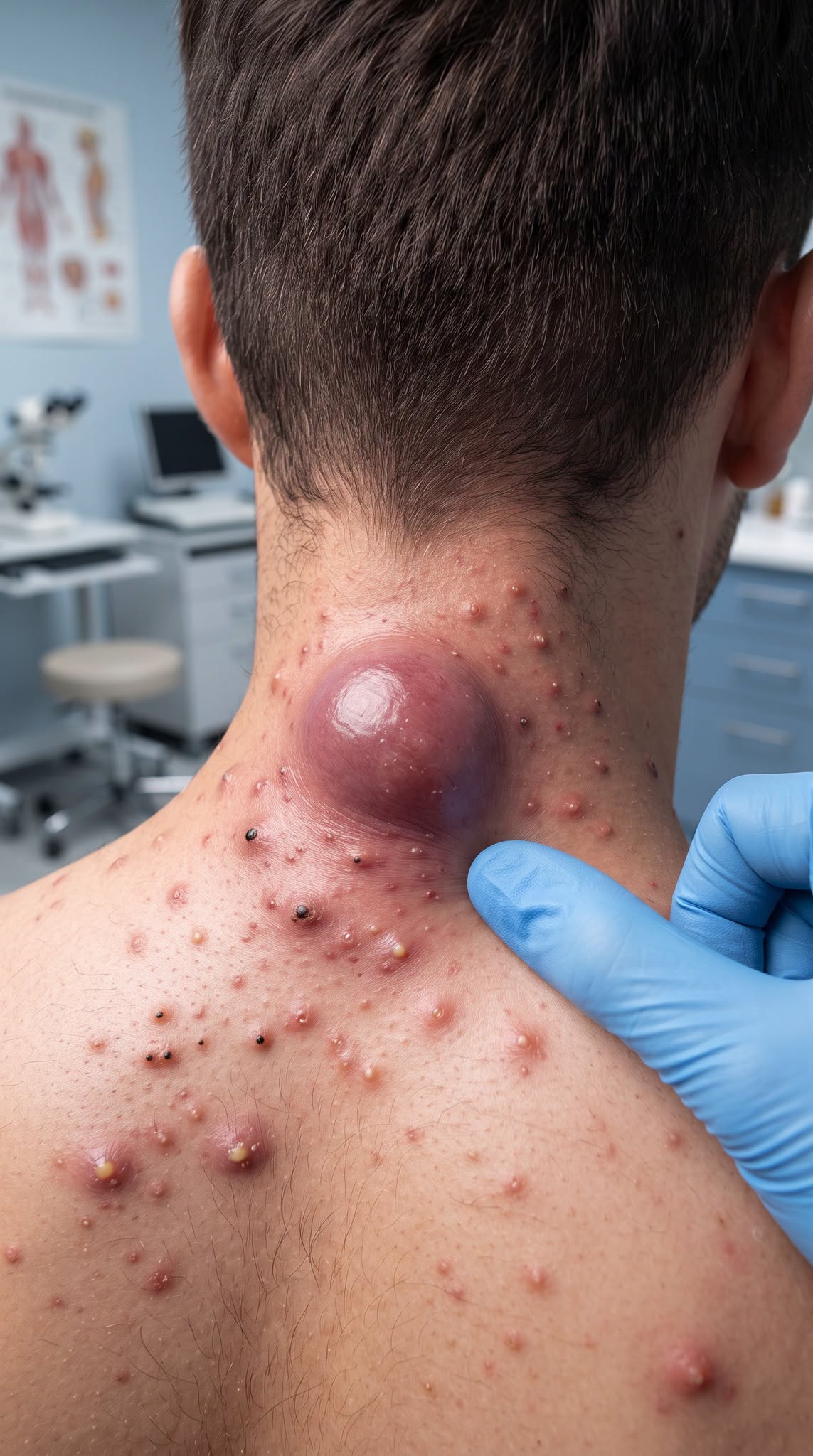
Healthy Skin Understanding Acne-Prone Skin

Acne-prone skin is common and can affect people at different stages of life.
Understanding how this type of skin behaves can make everyday skincare feel simpler and more manageable.
While acne may appear as occasional spots or more frequent breakouts, healthy skin care is not about achieving perfect skin. It is about supporting the skin with gentle, consistent habits.
Acne-prone skin can be influenced by several everyday factors. Excess oil, dead skin cells, changes in hormones, and naturally occurring skin bacteria can contribute to clogged pores and breakouts. Lifestyle factors, stress, weather, and certain skincare or cosmetic products may also affect how the skin looks and feels. Because everyone’s skin is different, a routine that works well for one person may not produce the same results for another.
One of the most helpful approaches is gentle cleansing. Washing the face regularly can remove excess oil, dirt, and makeup without unnecessarily disturbing the skin’s natural balance. However, scrubbing aggressively or washing too often can leave the skin feeling dry and uncomfortable. A mild cleanser and lukewarm water are often more comfortable choices for everyday care.
Moisturizing is also important for acne-prone skin. Some people avoid moisturizer because they worry it will make their skin feel oily, but skipping it can leave the skin feeling dry or tight. Choosing a lightweight, non-comedogenic moisturizer can help provide comfortable hydration without unnecessarily adding heavy ingredients.
Sun protection deserves attention as well. Daily exposure to sunlight can affect the appearance of the skin and may make lingering marks after breakouts more noticeable. A broad-spectrum sunscreen that feels comfortable on the skin can be a useful part of a simple morning routine.
It is also helpful to avoid picking or squeezing breakouts. Touching spots repeatedly can irritate the surrounding skin and may increase the chance of temporary marks. Instead, allow the skin time to settle while maintaining a consistent routine.
Healthy habits outside of skincare can support overall skin wellness too. Eating a varied diet, drinking enough water, getting adequate sleep, and finding relaxing ways to manage everyday stress can contribute to general well-being. These habits are not guaranteed to prevent acne, but they can support a healthier lifestyle overall.
Understanding acne-prone skin is ultimately about patience and consistency. Rather than constantly changing products, focus on a simple routine that feels comfortable and sustainable. If breakouts are persistent, painful, or affecting confidence, a qualified healthcare professional or dermatologist can provide personalized guidance. With gentle care and realistic expectations, acne-prone skin can be supported while maintaining a healthy, comfortable appearance.