Healthy Skin Care Practices for Everyday Acne Management

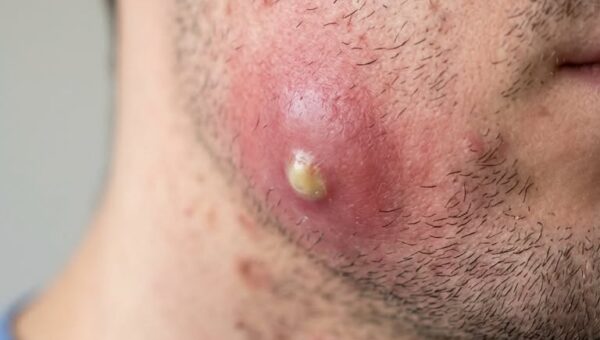
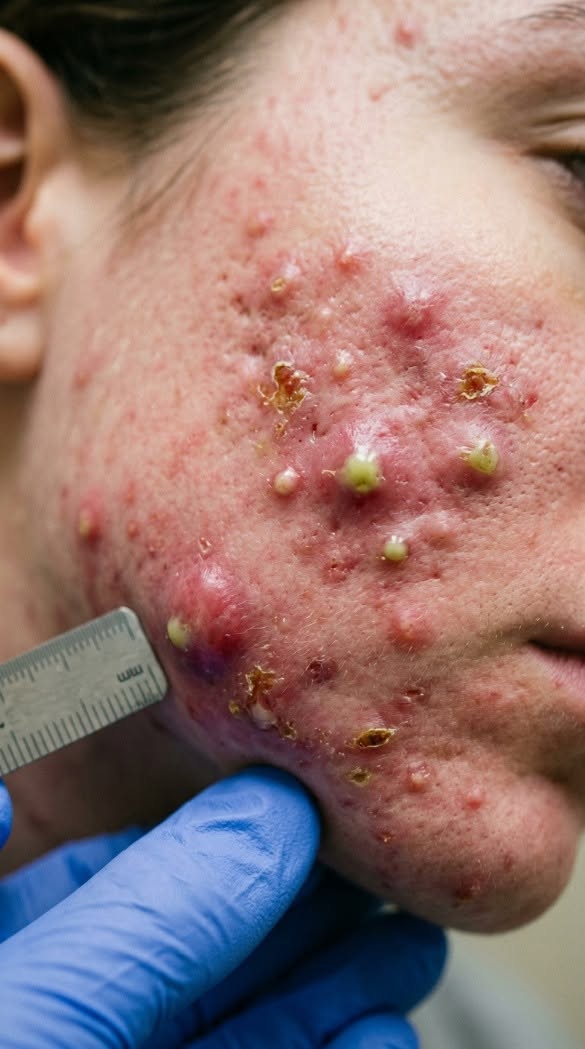
Acne is a common skin concern that can affect people at different ages and stages of life.
While there is no single routine that works perfectly for everyone, healthy and consistent skin
care practices can support overall skin comfort and help people manage acne-prone skin as part of their everyday wellness routine. A gentle approach is often easier to maintain and may help reduce unnecessary irritation.
One of the most important habits is cleansing the skin regularly without overdoing it. Washing the face with a mild cleanser can help remove excess oil, sweat, and everyday buildup. However, frequent washing or aggressive scrubbing may leave the skin feeling dry or irritated. Using gentle movements and avoiding rough washcloths or harsh exfoliation can help keep the skin care routine comfortable.
Choosing skin care products carefully is also helpful. People with acne-prone skin may prefer products designed to feel lightweight and avoid leaving a heavy or greasy layer on the skin. Introducing one new product at a time can make it easier to understand how the skin responds. A simple routine is often more manageable than using many products at once.
Moisturizing can also be an important part of everyday skin care, even for people who have oily or acne-prone skin. When skin feels overly dry, it may become uncomfortable and sensitive. A suitable moisturizer can support the skin’s natural protective barrier and help maintain a balanced feeling. Lightweight formulas may be especially comfortable for people who prefer a less heavy texture.
Sun protection should not be forgotten during daytime skin care. Spending time outdoors can expose the skin to sunlight, so using appropriate sun protection as part of a daily routine may support overall skin health. Choosing a product that feels comfortable and suits individual skin needs can make regular use easier.
Another helpful practice is avoiding the temptation to touch, squeeze, or pick at blemishes. Hands come into contact with many surfaces throughout the day, and frequent touching may transfer dirt and oil to the face. Picking at acne can also irritate the skin and may make the area take longer to settle. Keeping hands away from the face whenever possible is a simple habit that can support a calmer skin care routine.
Clean everyday items can also contribute to good skin care habits. Pillowcases, towels, makeup brushes, and items that regularly touch the face should be cleaned regularly. These small practices can become part of an overall approach to personal hygiene and skin comfort.
Lifestyle habits may also play a supportive role in skin wellness. Getting adequate rest, staying hydrated, eating a varied and balanced diet, and finding healthy ways to manage everyday stress can all contribute to general well-being. Skin can be influenced by many individual factors, so paying attention to personal routines and patterns may be useful.
Finally, patience is important when caring for acne-prone skin. Skin changes may take time, and constantly switching products can make it difficult to know what works well. A consistent, gentle routine can provide a practical foundation for everyday acne management. For persistent or concerning skin problems, consulting a qualified healthcare professional or dermatologist can provide personalized guidance. Healthy skin care is not about achieving perfection, but about building simple habits that support comfort, confidence, and long-term skin wellness.