
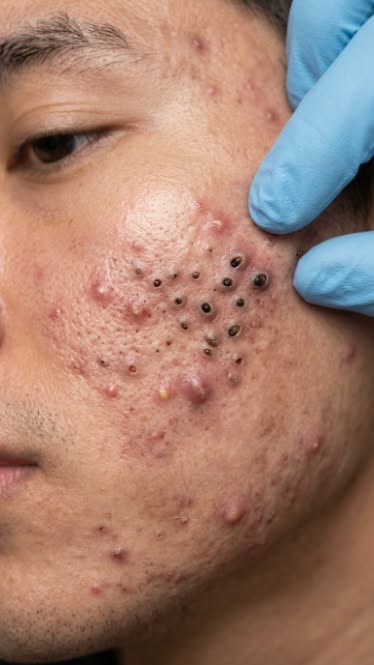
Healthy Skin Care Essentials for Acne Control

Taking care of acne-prone skin does not have to be complicated.
A gentle and consistent skin care routine can help keep your skin feeling healthy while reducing the chance of clogged pores and irritation.
Although acne can be influenced by hormones, genetics, and other factors, healthy daily habits often play an important role in supporting clearer skin over time.
One of the most important essentials for acne control is cleansing the skin twice each day. Washing your face in the morning helps remove oil that builds up overnight, while an evening cleanse removes dirt, sunscreen, makeup, and other impurities collected throughout the day. Choosing a mild cleanser that is suitable for your skin type can help keep your face clean without causing excessive dryness. Harsh scrubbing is usually unnecessary and may leave the skin feeling irritated.
Keeping the skin properly moisturized is another key step. Some people believe that skipping moisturizer will reduce acne, but dry skin may actually become uncomfortable and more sensitive. A lightweight, non-comedogenic moisturizer is often a good choice because it helps maintain the skin’s natural moisture balance without heavily coating the pores. Well-hydrated skin often feels smoother and more comfortable throughout the day.
Sun protection is another essential part of healthy skin care. Daily use of a broad-spectrum sunscreen can help protect the skin from harmful ultraviolet rays. Many modern sunscreens are designed for acne-prone skin and have lightweight formulas that do not leave a greasy feeling. Protecting the skin from excessive sun exposure also supports an even-looking complexion and overall skin health.
Using skin care products carefully is equally important. Applying too many products at once may overwhelm the skin and increase irritation. Introducing new products one at a time allows you to observe how your skin responds. Choosing products labeled as non-comedogenic or suitable for acne-prone skin may help reduce the likelihood of clogged pores.
Healthy lifestyle habits can also support a balanced complexion. Drinking enough water helps maintain normal hydration, while eating a balanced diet rich in fruits, vegetables, whole grains, and lean proteins provides nutrients that support overall wellness. Getting enough sleep and finding healthy ways to manage everyday stress may also contribute to healthier-looking skin, as general well-being often reflects in your complexion.
It is also helpful to avoid touching or picking at pimples. Although it can be tempting, picking may increase irritation and may make blemishes take longer to heal. Keeping hands away from the face whenever possible can also reduce the transfer of dirt and oils onto the skin.
Consistency is often more valuable than using many different products. Skin typically needs time to respond to a routine, and visible improvements may take several weeks. Being patient while following gentle daily habits can support healthier-looking skin without placing unnecessary stress on it.
If acne becomes persistent, severe, or causes discomfort, consulting a qualified healthcare professional or dermatologist can help identify the most appropriate treatment plan. Every person’s skin is unique, and personalized guidance may provide the best approach for long-term skin health.
Healthy skin care essentials are built on simple, steady habits rather than complicated routines. Gentle cleansing, regular moisturizing, daily sun protection, balanced nutrition, adequate rest, and patience all work together to support acne control. By caring for your skin consistently and choosing products that suit your individual needs, you can create a routine that promotes healthier, more comfortable skin while encouraging lasting confidence.