
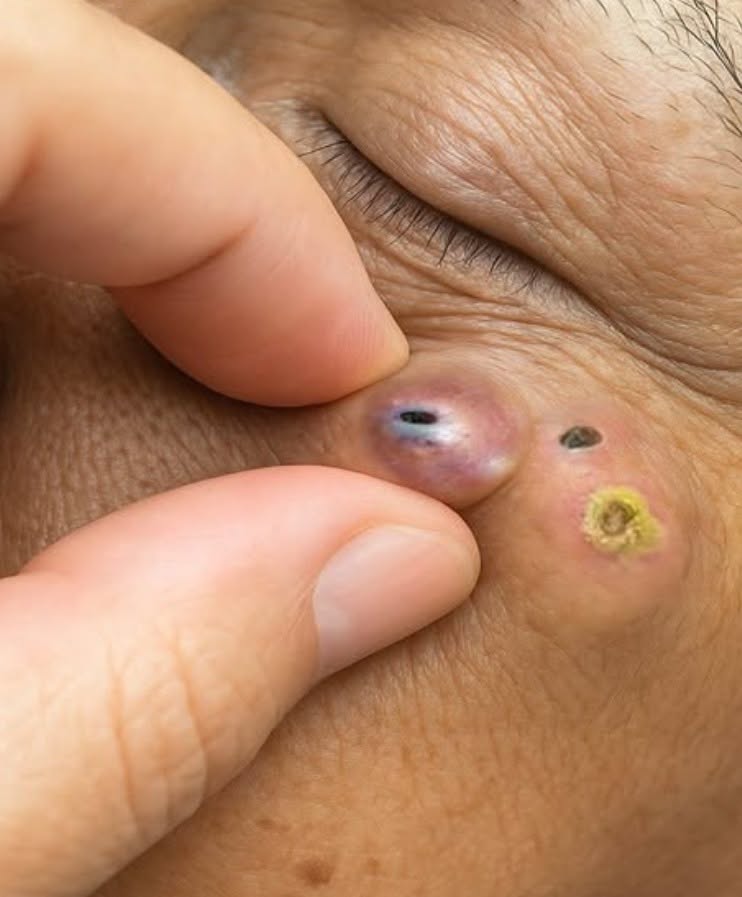
Healthy Skin and Understanding Nutrition and Skin Wellness

Healthy skin is often connected with the simple habits we practice every day
including how we eat.
While nutrition is not a guaranteed solution for acne, choosing balanced, nourishing foods can support overall wellness and provide the nutrients the body needs to maintain healthy skin.
The skin is the body’s largest organ, and it relies on a steady supply of vitamins, minerals, protein, healthy fats, and other nutrients. A varied diet can help support normal skin function while contributing to energy and general well-being. Instead of focusing on one particular food as a quick answer for acne, it is more helpful to think about the overall quality and balance of meals.
Fruits and vegetables are a valuable part of a skin-friendly eating pattern. Colorful produce provides nutrients such as vitamin C, vitamin A, and other naturally occurring compounds that support normal body functions. Berries, oranges, leafy greens, carrots, tomatoes, and sweet potatoes can all add variety and important nutrients to everyday meals.
Protein also plays a role in a balanced diet. Foods such as eggs, fish, beans, lentils, poultry, tofu, and yogurt can provide protein along with other nutrients. Including a suitable source of protein in meals can make them more satisfying and help create a balanced eating routine.
Healthy fats are another important part of nutrition. Foods such as avocados, nuts, seeds, and oily fish provide beneficial fats and can fit comfortably into a varied diet. Whole grains, beans, and other high-fiber foods can also contribute to balanced meals and support overall digestive wellness.
For some people, certain eating patterns may appear to influence acne, but responses can vary considerably. Foods high in added sugars and highly refined carbohydrates may be worth enjoying in moderation as part of an overall balanced approach. However, there is no single diet that works identically for everyone with acne.
Nutrition should also be viewed alongside other everyday skin habits. Gentle cleansing, avoiding excessive touching or picking, adequate sleep, regular physical activity, and appropriate sun protection can all contribute to skin wellness. If acne is persistent, painful, or affecting confidence, a qualified healthcare professional or dermatologist can provide personalized guidance.
Healthy skin is not about achieving perfection. It is about creating sustainable habits that support the body from the inside and outside. By enjoying a varied diet, staying hydrated, caring for the skin gently, and maintaining healthy daily routines, people can take practical steps toward overall skin wellness while developing a positive and realistic approach to acne care.