
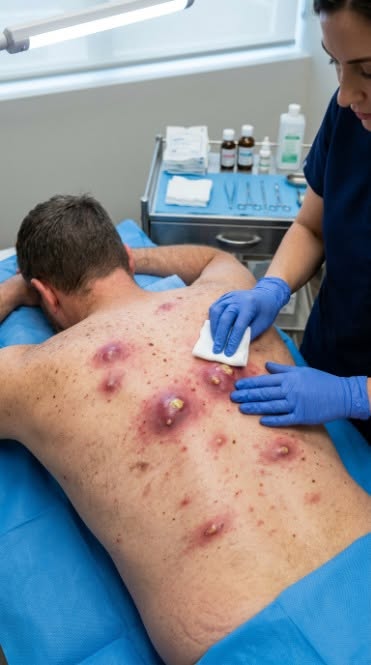
Healthy Skin and Acne Why Quality Sleep Matters Your Skin

Healthy skin is influenced by many everyday habits, and getting enough
quality sleep is one of the simplest ways to support overall skin wellness.
While sleep cannot guarantee clear skin, consistent rest gives your body valuable time to carry out natural repair and recovery processes. For people concerned about acne, making sleep a regular part of a healthy routine may be a helpful step toward better overall skin care.
During sleep, the body focuses on important maintenance activities. Skin cells naturally renew themselves, while the body works to support normal circulation, hydration, and tissue repair. Adequate rest can also help the skin maintain its protective barrier, which is important for keeping moisture in and helping the skin respond to everyday environmental stress.
Sleep may also influence the body’s stress response. When people regularly sleep poorly, they may feel more stressed, tired, or irritable during the day. Stress does not cause every case of acne, but it can affect the body’s normal hormonal and inflammatory processes. For some people, periods of increased stress may be associated with more noticeable breakouts. Creating a consistent sleep routine can therefore support both general well-being and healthy skin habits.
Another benefit of good sleep is that it can make healthy choices easier. When you are well rested, you may have more energy to follow a regular skin care routine, prepare balanced meals, drink enough water, and stay active. These habits work together to support your overall wellness, which can also benefit the appearance and comfort of your skin.
A relaxing bedtime routine can make it easier to get consistent rest. Try going to bed and waking up at similar times each day. Keep your sleeping environment comfortable and reduce bright screens or stimulating activities close to bedtime. Gentle habits such as reading, stretching, or taking a few quiet moments to relax can help create a calmer transition into sleep.
It is also helpful to remember that acne has many possible influences, including genetics, hormones, skin care products, and other lifestyle factors. Sleep should be viewed as one part of a balanced approach rather than a guaranteed solution. If acne is persistent, painful, or affecting your confidence, speaking with a qualified health professional can help you understand suitable treatment options.
Quality sleep is not an overnight cure for acne, but it is an important part of caring for your body. By making restful sleep a regular priority alongside gentle skin care, balanced nutrition, hydration, and healthy daily habits, you can create a supportive foundation for healthier-looking skin and better everyday well-being.yes