
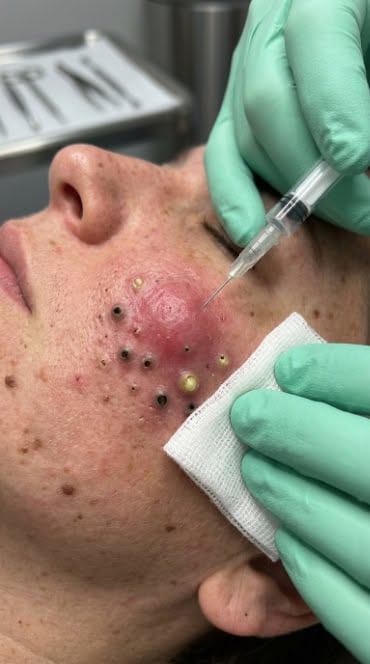
Healthy Skin and Acne Understanding What Your Skin Needs

Healthy skin does not have to mean having a perfectly
smooth or completely blemish-free complexion.
Skin naturally changes with age, weather, lifestyle, and daily routines. For people who experience acne, understanding what the skin needs can make skin care feel simpler and more manageable. Instead of constantly searching for new products, it can be helpful to focus on gentle habits that support the skin every day.
One of the most important needs of the skin is balance. The skin has a natural protective barrier that helps keep moisture in and protects against outside irritants. Washing too often, scrubbing aggressively, or using too many strong products may leave the skin feeling dry and uncomfortable. When skin feels irritated, it can be tempting to add even more products, but a simpler routine may be a better approach.
Cleansing is an important part of everyday skin care. A gentle cleanser can help remove excess oil, sweat, dirt, and daily buildup without making the skin feel overly dry. Washing the face with lukewarm water and avoiding harsh scrubbing can also help maintain comfort. For acne-prone skin, consistency is often more useful than frequently changing products.
Moisture is another basic need, even for oily or acne-prone skin. Some people avoid moisturizers because they worry about excess oil, but keeping the skin comfortable can be an important part of a balanced routine. Choosing a lightweight, non-comedogenic moisturizer may help provide hydration without feeling heavy.
Sun protection also deserves attention. Daily exposure to sunlight can affect the overall appearance of the skin and may make leftover marks from breakouts more noticeable. Using a broad-spectrum sunscreen that suits your skin type can be a practical addition to a morning routine.
Healthy skin also benefits from healthy daily habits. Getting enough rest, drinking water regularly, eating a varied diet, staying active, and finding time to relax can all contribute to general well-being. These habits should not be viewed as instant solutions for acne, but they can support a healthier lifestyle and make it easier to maintain consistent self-care.
It is also useful to remember that everyone’s skin is different. A product that works well for one person may not suit another. Introducing new products gradually can make it easier to notice how the skin responds. If acne becomes persistent, painful, or difficult to manage, speaking with a qualified healthcare professional or dermatologist can provide personalized guidance.
Understanding what your skin needs is ultimately about paying attention rather than chasing perfection. A gentle cleanser, suitable moisturizer, sun protection, and consistent everyday habits can create a simple foundation for skin wellness. With patience and realistic expectations, caring for acne-prone skin can become a comfortable part of a healthy daily routine.