
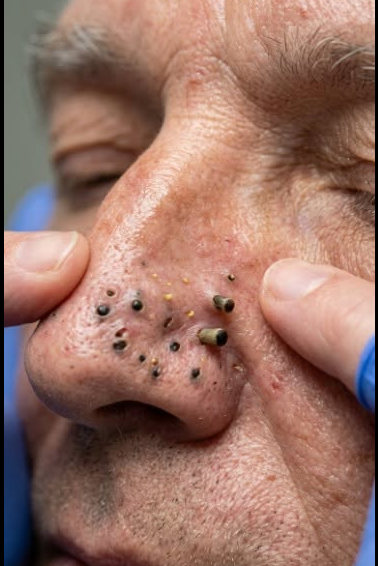
Healthy Skin and Acne: Supporting Your Skin Through Healthy Living

Healthy skin is not only about having a clear complexion.
It is also about creating everyday habits that help your skin feel
comfortable, balanced, and cared for. For people who experience acne, a healthy lifestyle can be a helpful part of overall skin care. While lifestyle habits cannot guarantee clear skin, they may support general skin wellness and make a consistent routine easier to maintain.
One of the simplest ways to support healthy skin is to pay attention to daily nutrition. A balanced eating pattern that includes vegetables, fruits, whole grains, lean proteins, and healthy sources of fat can provide important nutrients for the body and skin. Instead of focusing on strict food rules, aim for variety and moderation. Eating regular, nourishing meals can also support steady energy throughout the day.
Hydration is another important part of healthy living. Drinking enough water helps the body function properly and can support normal skin processes. Water does not act as a cure for acne, but staying hydrated is a sensible habit for overall wellness. Choosing water regularly throughout the day can be an easy addition to an existing routine.
Sleep also deserves attention. During rest, the body carries out many natural maintenance processes. A consistent sleep schedule can support overall well-being and may help you feel more prepared to care for yourself each day. Creating a relaxing evening routine, reducing unnecessary screen time before bed, and keeping regular sleeping hours can make healthy rest easier.
Stress management can be useful as well. Everyday stress affects people differently, and some people notice that stressful periods coincide with changes in their skin. Gentle activities such as walking, stretching, reading, breathing exercises, or spending time with friends can provide healthy ways to unwind. The goal is not to eliminate every source of stress but to develop practical ways to handle it.
Skin care itself should remain simple and gentle. Washing the face with a mild cleanser, avoiding excessive scrubbing, and choosing products that suit your skin type can help maintain the skin barrier. Touching or picking at blemishes may increase irritation, so giving the skin time to recover is often a better approach. If acne is persistent, painful, or affecting your confidence, a qualified healthcare professional or dermatologist can provide personalized guidance.
Supporting your skin through healthy living is ultimately about consistency rather than perfection. Nutritious meals, adequate hydration, restful sleep, stress management, and gentle skin care can work together as part of a balanced lifestyle. Acne is common and can have many contributing factors, so it is important to be patient with your skin and avoid unrealistic expectations. Small, sustainable habits can help you build a healthier relationship with your skin while supporting your overall well-being.