
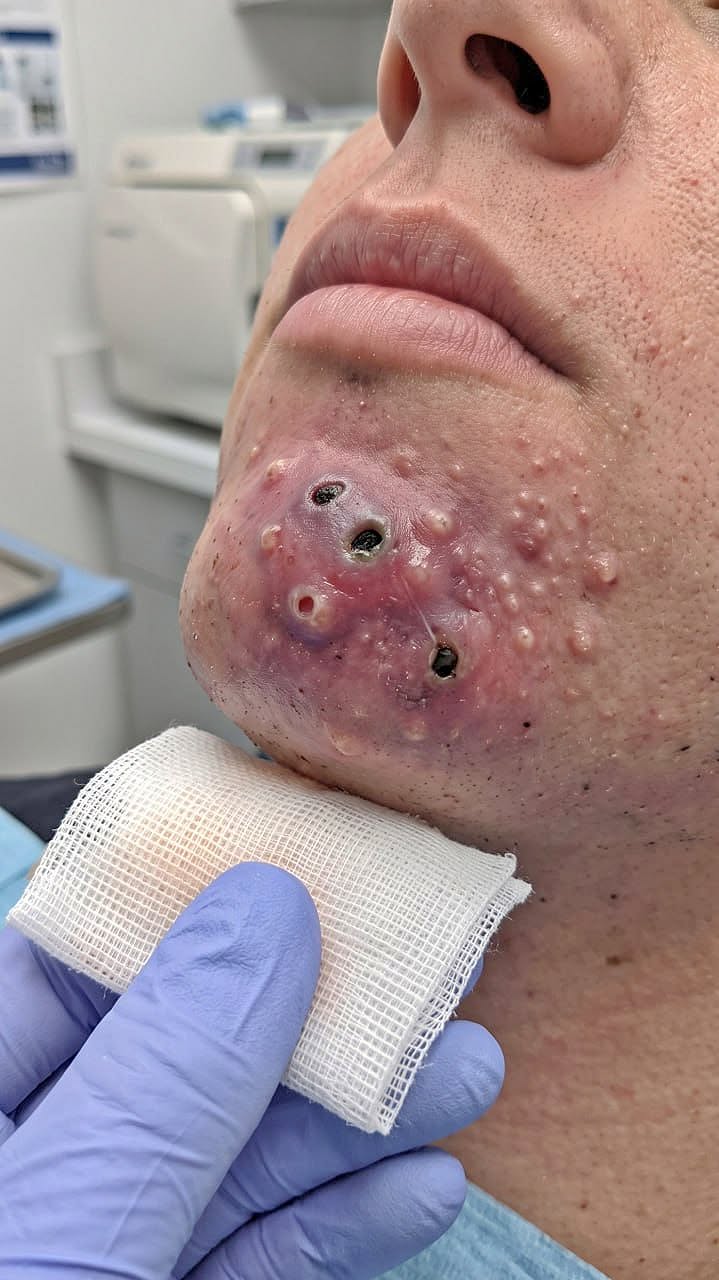
Healthy Skin and Acne Recognizing Patterns in Your Skin

Understanding your skin can make everyday skin care feel simpler and more manageable.
Acne does not always appear in exactly the same way, and noticing patterns
can help you learn what may influence changes in your complexion.
Instead of reacting to every new blemish, paying attention to your skin over time can encourage a calmer and more consistent approach.
One useful pattern to observe is when breakouts tend to appear. Some people notice changes around certain times of the month, while others may see more blemishes during periods of stress, poor sleep, or changes in their routine. Keeping track of these observations can help you recognize whether certain circumstances seem to occur alongside changes in your skin.
It can also be helpful to notice where acne commonly develops. Breakouts around the forehead, cheeks, chin, or jawline may have different contributing factors. For example, hair products, makeup, sweat, frequent touching, or friction from clothing and accessories may affect certain areas. These observations do not necessarily identify a single cause, but they can provide useful information about your daily habits.
Your skin may also respond differently to products. If your complexion becomes unusually dry, tight, irritated, or uncomfortable after introducing a new product, that is worth noticing. Using several new products at once can make it difficult to determine which one may be causing a reaction. Introducing changes gradually can make it easier to understand how your skin responds.
Lifestyle patterns can be worth considering as well. Sleep, hydration, physical activity, stress, and eating habits all contribute to general well-being, which can also influence how your skin looks and feels. A balanced lifestyle is not a guaranteed solution for acne, but healthy routines can support overall skin wellness.
Another important pattern is how long a breakout lasts and whether it repeatedly returns in the same area. Taking occasional notes or photographs for personal reference can help you compare changes over time. This approach may be more useful than judging your skin from one day to the next, since acne can naturally fluctuate.
Recognizing patterns does not mean blaming yourself for breakouts. Acne is common and can have many contributing factors, including changes that are outside your control. The goal is simply to become more familiar with your skin and make thoughtful choices based on what you observe.
If acne remains persistent, becomes uncomfortable, or leaves noticeable marks, professional guidance from a qualified dermatologist or other appropriate health professional may be helpful. A personalized evaluation can provide a clearer understanding of your skin and suitable care options.
With patience and consistency, learning your skin’s patterns can turn daily care into a more informed and comfortable routine. Small observations can help you make better choices while maintaining realistic expectations for healthy-looking skin.