
Healthy Skin and Acne: Long-Term Strategies for Everyday Skin Care

Healthy skin is not about having a perfectly clear complexion every day.
naturally changes with age, weather, stress, sleep, and daily habits.
When acne is part of the picture, building a simple and consistent routine can be more helpful than constantly searching for quick solutions. Long-term skin care focuses on gentle habits that support the skin while allowing time for gradual improvement.
A good everyday routine begins with gentle cleansing. Washing the face can help remove excess oil, sweat, and everyday buildup without making the skin feel overly dry. Using lukewarm water and a mild cleanser is often a comfortable choice. Scrubbing too hard or washing repeatedly throughout the day may leave the skin feeling irritated, so a balanced approach is usually more practical.
Moisturizing is another important part of everyday skin care, including for people with acne-prone skin. Some people avoid moisturizer because they worry about feeling oily, but keeping the skin comfortable can help support its natural protective barrier. Choosing a lightweight, non-comedogenic moisturizer may be a useful option for those who tend to experience clogged pores.
Sun protection also deserves a place in a long-term routine. Regular exposure to sunlight can affect overall skin appearance and may make some marks left after breakouts more noticeable. Using a broad-spectrum sunscreen and practicing other sun-protective habits can help support healthier-looking skin over time.
Daily lifestyle habits can complement a simple skin care routine. Eating a varied diet that includes vegetables, fruits, whole grains, protein sources, and healthy fats provides nutrients needed for overall well-being. Drinking enough fluids, getting regular physical activity, and maintaining a consistent sleep schedule can also contribute to general health, which may support the way skin looks and feels.
It is also helpful to avoid picking or squeezing breakouts. Although doing so can be tempting, frequent touching may irritate the skin and increase the chance of lingering marks. Keeping pillowcases, towels, phones, and other items that regularly contact the face reasonably clean can also be a sensible part of everyday hygiene.
Perhaps the most important long-term strategy is patience. Skin rarely changes overnight, and trying many new products at once can make it difficult to understand what works well for you. Introducing changes gradually and giving a routine enough time to become familiar can make skin care easier to maintain.
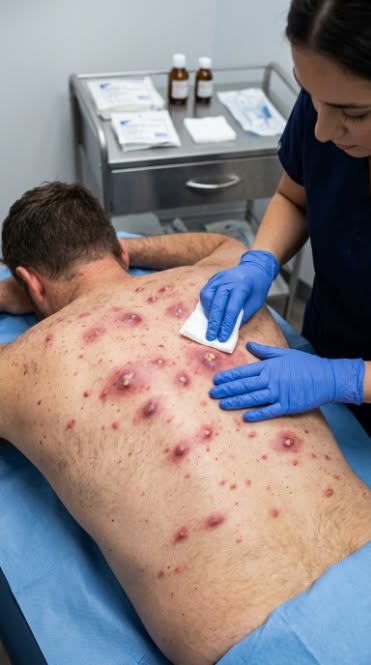
If acne is persistent, painful, worsening, or affecting confidence, speaking with a qualified health professional or dermatologist can provide personalized guidance. Professional advice can help identify suitable treatment options while avoiding unnecessary experimentation.
Ultimately, healthy skin care is less about perfection and more about consistency. Gentle cleansing, moisturizing, sun protection, healthy daily habits, and patience can create a practical foundation for caring for your skin over the long term.