
Healthy Skin and Acne Learning What Works for Your Skin

Healthy skin does not look exactly the same for everyone.
Some people naturally have oily skin, while others may experience
dryness, sensitivity, or a combination of different concerns. When acne appears, it can be tempting to try every new product or routine you hear about. However, learning what works for your individual skin is often a more helpful and comfortable approach.
The first step is understanding your skin’s everyday needs. Pay attention to how your skin feels after washing, throughout the day, and after using new products. If your face often feels tight or uncomfortable, your routine may be too drying. If your skin becomes noticeably oily, you may benefit from lightweight products that feel comfortable without adding unnecessary heaviness. Keeping these simple observations in mind can help you make more thoughtful choices.
A gentle routine can provide a good foundation for acne-prone skin. Cleansing your face regularly can help remove excess oil, sweat, and everyday buildup. Choose a mild cleanser and avoid aggressive scrubbing, as rough treatment can leave skin feeling irritated. After cleansing, a simple moisturizer can help support the skin barrier, even if your skin tends to be oily. During the day, sunscreen can also help protect your skin from environmental exposure.
When trying a new skincare product, give your skin time to adjust rather than changing several things at once. Introducing too many products together can make it difficult to understand what your skin likes or dislikes. Start with one change and observe how your skin responds. If irritation develops, consider stopping the new product and returning to a simpler routine.
It is also useful to remember that acne is not simply a result of having unclean skin. Breakouts can be influenced by many factors, including hormones, genetics, stress, and everyday habits. Washing your face excessively or using harsh products is not necessarily a better approach. Gentle, consistent care is generally more practical for maintaining skin comfort.
Healthy lifestyle habits can complement a sensible skincare routine. Eating a varied diet, drinking enough water, getting regular sleep, and finding healthy ways to manage stress can support overall well-being. These habits are not guaranteed to prevent acne, but they can contribute to a balanced approach to personal care.
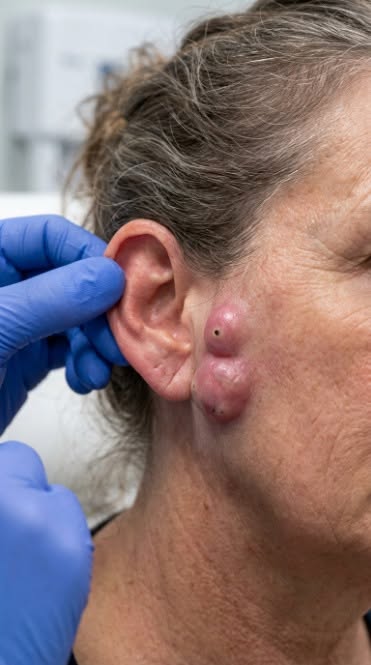
Most importantly, be patient with your skin. What works wonderfully for one person may not be right for another. If acne is persistent, painful, or affecting your confidence, consider speaking with a qualified healthcare professional or dermatologist for personalized guidance.
Learning what works for your skin is a gradual process. By paying attention to your skin, keeping your routine gentle, and making changes thoughtfully, you can build healthy habits that support a comfortable and well-cared-for complexion.