
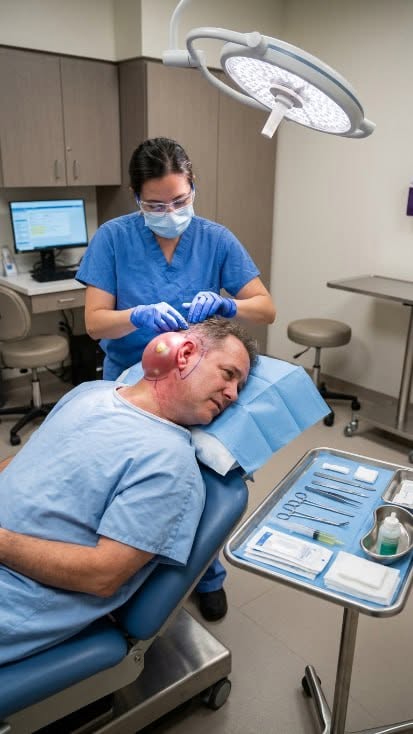
Healthy Skin and Acne: Knowing When to Seek Skin Care Advice

Taking care of your skin can feel simple when occasional blemishes
appear, but persistent acne may sometimes require more attention.
Knowing when to seek skin care advice can help you understand your skin better and choose a routine that fits your needs. Getting professional guidance is not a sign that you have failed at caring for your skin. Instead, it can be a practical step toward healthier, more comfortable skin.
Acne can appear for many reasons, including changes in hormones, genetics, stress, skin care habits, and environmental factors. A few occasional spots are common, but you may want to consider professional advice when breakouts continue despite consistent, gentle skin care. Frequent or persistent acne can sometimes benefit from a more personalized approach.
Another reason to seek advice is when acne becomes uncomfortable or leaves noticeable marks. Deep, tender blemishes, recurring breakouts, or changes in skin texture may be worth discussing with a qualified dermatologist or other appropriate skin care professional. Early guidance may help you learn how to care for your skin without relying on harsh or excessive products.
It is also helpful to ask for advice if your current routine causes dryness, burning, peeling, or ongoing irritation. Using too many products or changing treatments frequently can make it difficult to understand what your skin actually needs. A professional can help you review your routine and identify gentler options that support the skin barrier.
When seeking skin care advice, be prepared to explain what you have been using and how your skin has responded. Mentioning how long you have experienced breakouts and whether certain products seem to make them better or worse can provide useful information. Keeping your routine simple before an appointment can also make it easier to identify potential sources of irritation.
It is important to remember that healthy skin does not need to look perfect. Acne can affect people of different ages and skin types, and improvement can take time. Comparing your skin with images online may create unrealistic expectations, so focus instead on comfort, consistency, and gradual progress.
Professional advice is particularly valuable when acne is affecting your confidence or making everyday life more difficult. A supportive conversation can provide reassurance and help you develop realistic expectations about skin care.
Ultimately, seeking skin care advice is about understanding your skin rather than chasing perfection. Gentle cleansing, suitable moisturizing, sun protection, and patience can remain important parts of everyday care. When persistent or concerning changes appear, reaching out to a qualified professional can provide useful direction and help you make informed choices for your long-term skin wellness.