Healthy Skin and Acne: How Lifestyle Habits May Influence Breakouts

Acne is a common skin concern that can affect people at many stages of life.
While breakouts are influenced by factors such as hormones, genetics, and
skin type, everyday lifestyle habits may also play a role in how the skin looks and feels. Developing simple, balanced habits can support overall skin wellness without creating unnecessary pressure to achieve perfect skin.
Sleep and Skin Wellness
Getting enough quality sleep is an important part of a healthy lifestyle. During rest, the body carries out many natural maintenance processes. Poor or irregular sleep can affect overall well-being and may contribute to changes in stress levels, which can sometimes influence the skin. Creating a consistent bedtime routine, keeping the sleeping area comfortable, and limiting late-night screen use may help support better rest.
Managing Everyday Stress
Stress is a normal part of life, but ongoing stress may affect the body in several ways, including changes that can influence oil production and inflammation. Finding enjoyable ways to relax can be helpful. Gentle activities such as walking, reading, stretching, listening to music, or spending time with friends can provide a healthy mental break. The goal is not to eliminate stress completely but to create habits that make daily life feel more balanced.
Eating a Balanced Diet
Food choices can contribute to overall health, and a nutritious eating pattern provides the body with important vitamins, minerals, protein, fiber, and other nutrients. Including vegetables, fruits, whole grains, lean protein, and healthy sources of fat can support general wellness. Rather than focusing on one food as a solution for acne, it is more helpful to consider the overall quality and balance of the diet.
Staying Active and Hydrated
Regular physical activity supports circulation, energy, and general health. After exercise, gently cleansing the skin can help remove sweat, oil, and other buildup. Drinking enough fluids throughout the day is also part of good daily care, although hydration alone should not be viewed as a guaranteed treatment for acne.
Keeping Skin Care Simple
Lifestyle habits work best alongside a gentle skin care routine. Washing the face without excessive scrubbing, choosing products suitable for your skin type, and avoiding frequent picking or squeezing can help reduce unnecessary irritation. Changing pillowcases regularly and keeping items that frequently touch the face reasonably clean may also be useful.
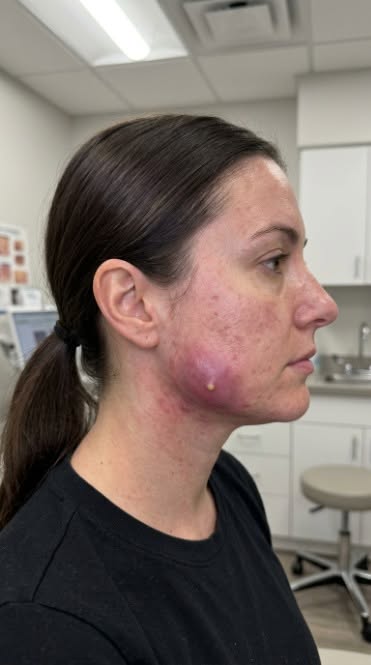
Most importantly, acne does not mean that someone has poor hygiene or an unhealthy lifestyle. Breakouts can happen despite thoughtful skin care and healthy habits. If acne is persistent, painful, or affecting confidence, a qualified healthcare professional or dermatologist can provide personalized guidance. A calm, consistent approach can help support healthier skin while encouraging a positive attitude toward the skin journey.