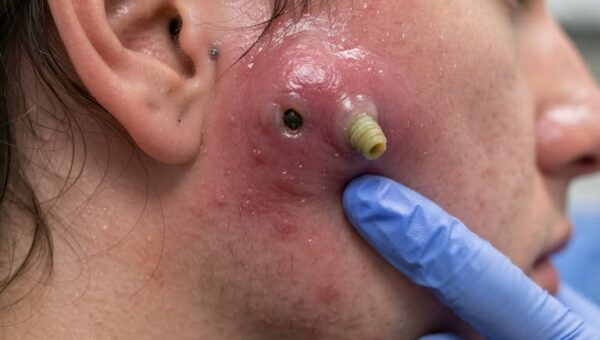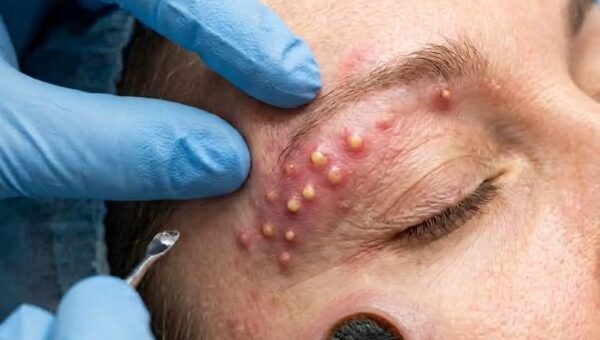
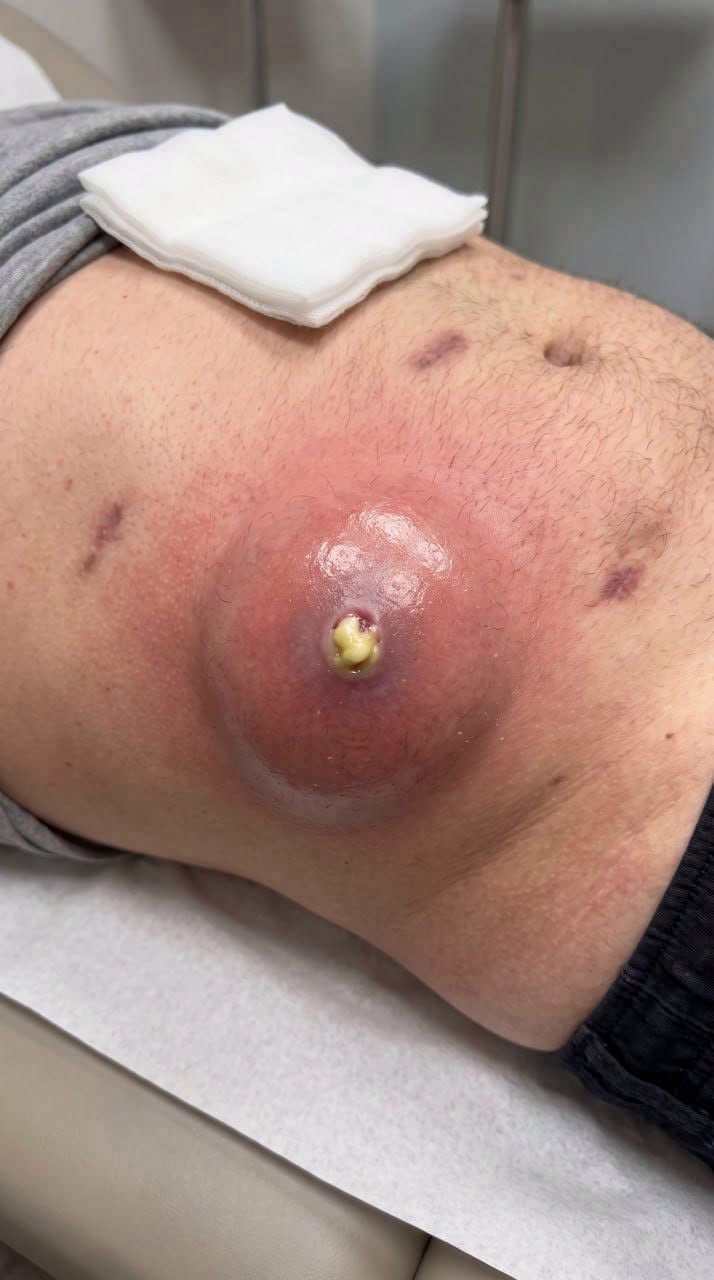
Healthy Skin and Acne: Healthy Lifestyle Tips for Better Skin

Healthy skin is often connected to the everyday choices we make.
While acne can be influenced by hormones, genetics, environment, and other factors, a balanced lifestyle can support overall skin wellness.
Simple habits involving nutrition, sleep, movement, and skincare may help your complexion look and feel healthier over time.
One important part of a skin-friendly lifestyle is eating a balanced diet. Fresh fruits, vegetables, whole grains, lean proteins, and healthy sources of fats provide nutrients that support normal body functions, including the skin. Instead of focusing on a single food as a solution for acne, aim for variety and moderation. Drinking enough water throughout the day can also support normal hydration and help you maintain healthy daily habits.
A consistent skincare routine can make a difference as well. Washing your face gently can help remove excess oil, sweat, and everyday buildup without unnecessarily irritating the skin. Choose products that suit your skin type and avoid repeatedly scrubbing or picking at blemishes. Being gentle is especially helpful because excessive friction can leave skin feeling irritated.
Sleep is another valuable part of healthy living. During rest, the body carries out many important maintenance processes. Creating a regular sleep schedule and giving yourself enough time to rest can support your general wellness. A calming evening routine, reduced screen time before bed, and a comfortable sleeping environment may make it easier to maintain good sleep habits.
Regular physical activity can also contribute to overall well-being. Walking, stretching, cycling, or another enjoyable activity can support circulation and help create a balanced daily routine. After exercising, gently cleansing sweaty skin and changing out of damp clothing can be useful, particularly if you are prone to breakouts on areas of the body.
Stress management deserves attention too. Everyday stress does not affect everyone’s skin in the same way, but taking time to relax can support healthier lifestyle habits. Reading, spending time outdoors, practicing slow breathing, enjoying a hobby, or connecting with friends and family can provide simple ways to create moments of calm.
It is also helpful to remember that acne is common and does not mean someone has poor hygiene. Skin can change for many reasons, and improvement may take time. If acne is persistent, uncomfortable, worsening, or affecting your confidence, a qualified healthcare professional or dermatologist can provide personalized guidance.
Healthy skin does not require a complicated routine. Consistent skincare, balanced meals, adequate rest, regular movement, hydration, and practical stress management can all contribute to better overall wellness. By focusing on gentle and sustainable habits rather than quick fixes, you can create a lifestyle that supports healthier-looking skin and greater everyday confidence.