
Healthy Skin and Acne: Healthy Habits for Clear-Looking Skin

Healthy-looking skin often begins with simple habits that fit naturally into everyday life.
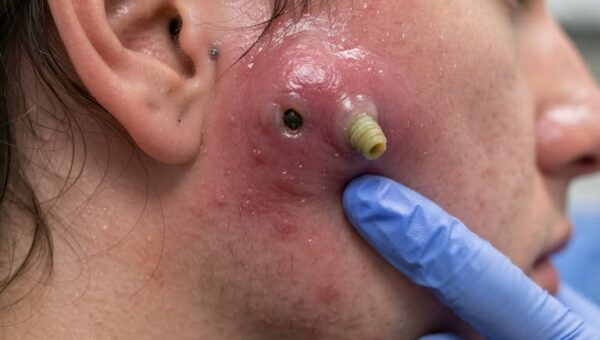
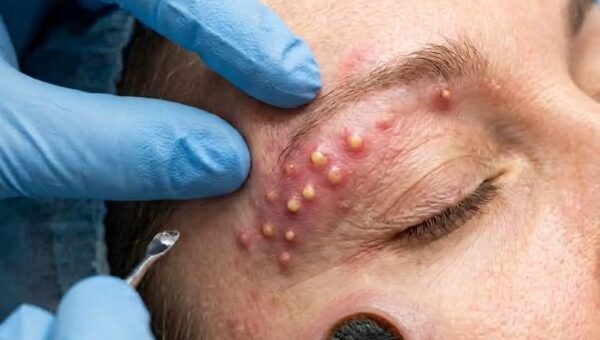
Acne can affect people of different ages and skin types, and occasional breakouts are a normal skin concern.
While there is no single routine that works for everyone, consistent skin care,
balanced lifestyle choices, and gentle daily habits can help support a cleaner and more comfortable complexion.
One of the most important habits for healthy-looking skin is keeping the skin clean without overdoing it. Washing the face gently in the morning and before bed can help remove excess oil, sweat, dirt, and daily buildup. A mild cleanser is often a good choice, especially for people whose skin feels sensitive or easily irritated. Scrubbing too hard or washing too frequently may leave the skin feeling dry and uncomfortable, so gentle care is usually more helpful.
Moisturizing is another useful part of a simple skin care routine. Some people with acne-prone skin avoid moisturizer because they worry about adding oil. However, keeping the skin comfortable and hydrated can support the skin barrier. A lightweight, non-comedogenic moisturizer may be a practical option for those who want hydration without a heavy feeling.
Daily sun protection also deserves attention. Sun exposure can contribute to uneven-looking skin and may make some marks left after breakouts appear more noticeable. Applying a broad-spectrum sunscreen during the day can help protect the skin from unnecessary sun exposure. Choosing a product that feels comfortable encourages consistent use.
Healthy lifestyle habits can also complement a basic skin care routine. Eating a varied diet that includes vegetables, fruits, whole grains, protein sources, and healthy fats provides important nutrients for overall well-being. Drinking enough fluids throughout the day is another simple way to support normal body functions. Rather than focusing on one particular food as a solution for acne, it is generally more useful to develop balanced eating habits.
Sleep and stress management may also influence how the skin looks and feels. A regular sleep schedule gives the body time to rest and recover. Finding relaxing activities, such as reading, walking, stretching, or spending time with loved ones, can make daily routines feel more balanced. These habits support overall wellness, which can be valuable when caring for your skin.
It is also helpful to avoid frequently touching, squeezing, or picking at breakouts. These habits can irritate the skin and may increase the chance of lingering marks. Keeping pillowcases, towels, phones, and other items that regularly touch the face reasonably clean can also be a sensible part of everyday hygiene.
Most importantly, healthy skin care requires patience. Skin does not always change immediately, and occasional breakouts do not mean that a routine has failed. If acne becomes persistent, painful, or difficult to manage, a qualified healthcare professional or dermatologist can provide personalized guidance.
Clear-looking skin is not about achieving perfection. It is about creating practical habits that help the skin stay comfortable, protected, and well cared for. With gentle cleansing, regular moisturizing, sun protection, balanced nutrition, adequate rest, and consistent self-care, anyone can build a simple routine that supports healthier-looking skin over time.