Healthy Skin and Acne: Everyday Tips for a Healthier Complexion

Healthy-looking skin often begins with simple daily habits.
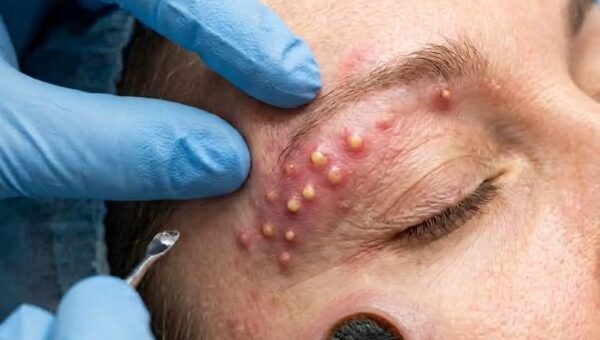
Acne can appear at different stages of life and may be influenced by factors such as hormones, genetics, stress, skincare routines, and everyday lifestyle choices.
While there is no single routine that works perfectly for everyone, gentle and consistent care can help support a healthier complexion and make skincare feel easier to manage.
One of the most useful habits is cleansing the skin gently. Washing the face in the morning and before bedtime can help remove excess oil, sweat, dirt, and cosmetic residue. A mild cleanser is often a good choice because harsh scrubbing or overly strong products may leave the skin feeling dry and uncomfortable. Clean skin does not need to feel tight or stripped to be healthy.
Moisturizing is another important part of an acne-friendly routine. People sometimes avoid moisturizer because they worry about oily skin, but skipping it can make the skin feel dry and irritated. Choosing a lightweight, non-comedogenic moisturizer can help maintain the skin barrier without adding unnecessary heaviness. Applying moisturizer after cleansing can also make the skin feel more comfortable throughout the day.
Sun protection deserves attention as well. Daily exposure to ultraviolet rays can contribute to premature skin aging and can make some acne-related marks appear more noticeable. Using a broad-spectrum sunscreen suitable for your skin type can help protect the complexion. When spending extended time outdoors, wearing protective clothing and seeking shade can provide additional support.
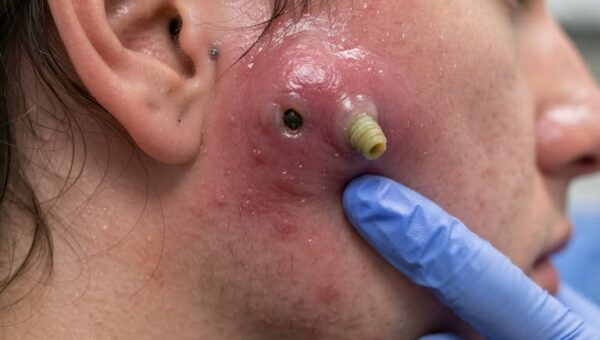
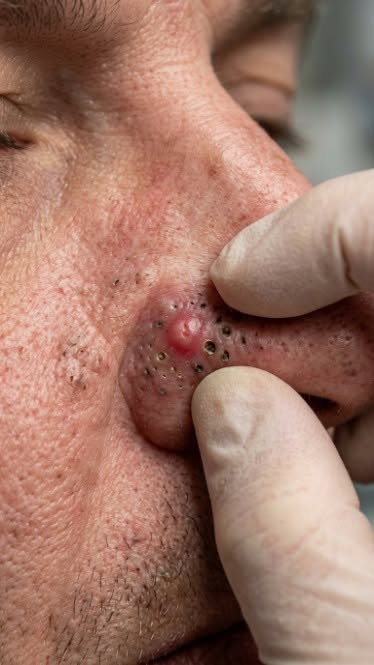
It is also helpful to avoid frequently touching or picking at blemishes. Although squeezing a spot can seem tempting, doing so may irritate the surrounding skin and potentially increase the chance of lingering marks. Instead, keep the routine gentle and allow the skin time to recover. Clean pillowcases, towels, and makeup tools can also be part of a sensible personal-care routine.
Healthy lifestyle habits may complement good skincare. Eating a varied diet that includes vegetables, fruits, whole grains, protein sources, and healthy fats provides nutrients needed for overall wellness. Drinking enough water throughout the day can support normal body functions, while regular physical activity and adequate sleep can contribute to general well-being. These habits should be viewed as part of a healthy lifestyle rather than guaranteed solutions for acne.
Stress management can also be useful. Busy schedules and emotional pressure may affect how people care for themselves and may coincide with changes in the skin. Simple activities such as walking, stretching, reading, spending time with loved ones, or taking a few quiet moments can make a daily routine feel more balanced.
Finally, remember that acne is common and does not define a person’s appearance or worth. If breakouts are persistent, painful, or causing concern, a qualified healthcare professional or dermatologist can provide personalized guidance. With patience, gentle care, and realistic expectations, everyday habits can help support comfortable, healthy-looking skin over time.