Healthy Skin and Acne: Easy Steps for Better Skin Health

Healthy-looking skin often begins with simple daily habits.
When acne appears, it can be tempting to try many products or make major changes to your routine.
However, a gentle and consistent approach can be easier to maintain and may help support the overall condition of your skin.
Good skin care is not about achieving perfection. It is about creating habits that help your skin feel comfortable, clean, and well cared for.
A gentle cleansing routine is a useful place to start. Washing your face in the morning and before bed can help remove excess oil, sweat, dirt, and everyday buildup. Choose a mild cleanser that feels comfortable on your skin, and avoid scrubbing too hard. Rough washing can leave the skin feeling irritated and dry, which may make your routine less comfortable.
Moisturizing is also important, even when your skin tends to be oily or acne-prone. A lightweight, non-comedogenic moisturizer can help maintain the skin barrier without feeling overly heavy. Keeping the skin properly moisturized can make daily care more pleasant and may help reduce the urge to use harsh products.
Sun protection should be another regular part of skin care. Spending time outdoors exposes the skin to ultraviolet rays, so applying a broad-spectrum sunscreen can help protect it. Look for a formula that suits your skin type and feels comfortable enough to use consistently.
Healthy lifestyle habits can support skin wellness as well. Eating a varied diet with vegetables, fruits, whole grains, protein sources, and healthy fats provides important nutrients for overall health. Drinking enough water throughout the day and getting regular sleep can also contribute to general well-being. These habits should be viewed as part of a balanced lifestyle rather than a guaranteed solution for acne.
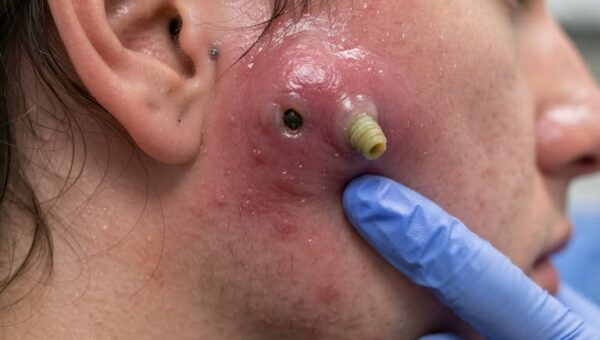
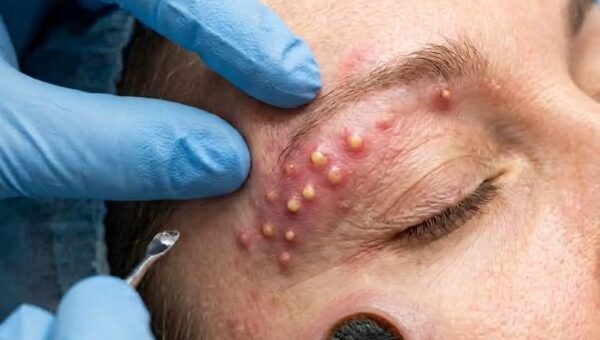
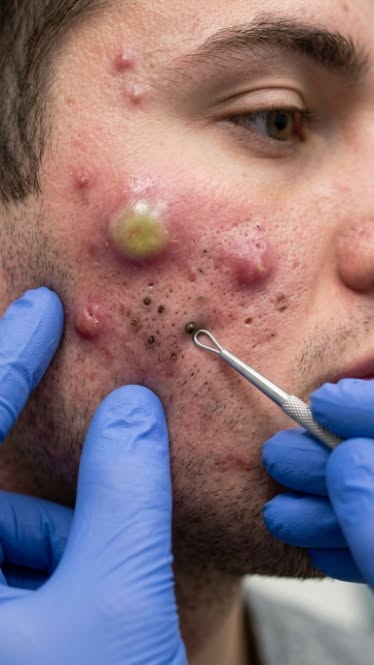
It is also helpful to avoid frequently touching or squeezing blemishes. Picking at the skin can cause additional irritation and may increase the chance of lingering marks. Instead, give your skin time and maintain a calm routine.
Everyone’s skin is different, so what works comfortably for one person may not work for another. If acne is persistent, painful, or affecting your confidence, consider speaking with a qualified healthcare professional or dermatologist. Professional guidance can help you understand your skin and choose appropriate care.
Better skin health usually comes from consistency rather than complicated routines. By cleansing gently, moisturizing, protecting your skin from the sun, supporting healthy daily habits, and treating your skin with patience, you can create a simple routine that encourages healthier-looking skin over time.