
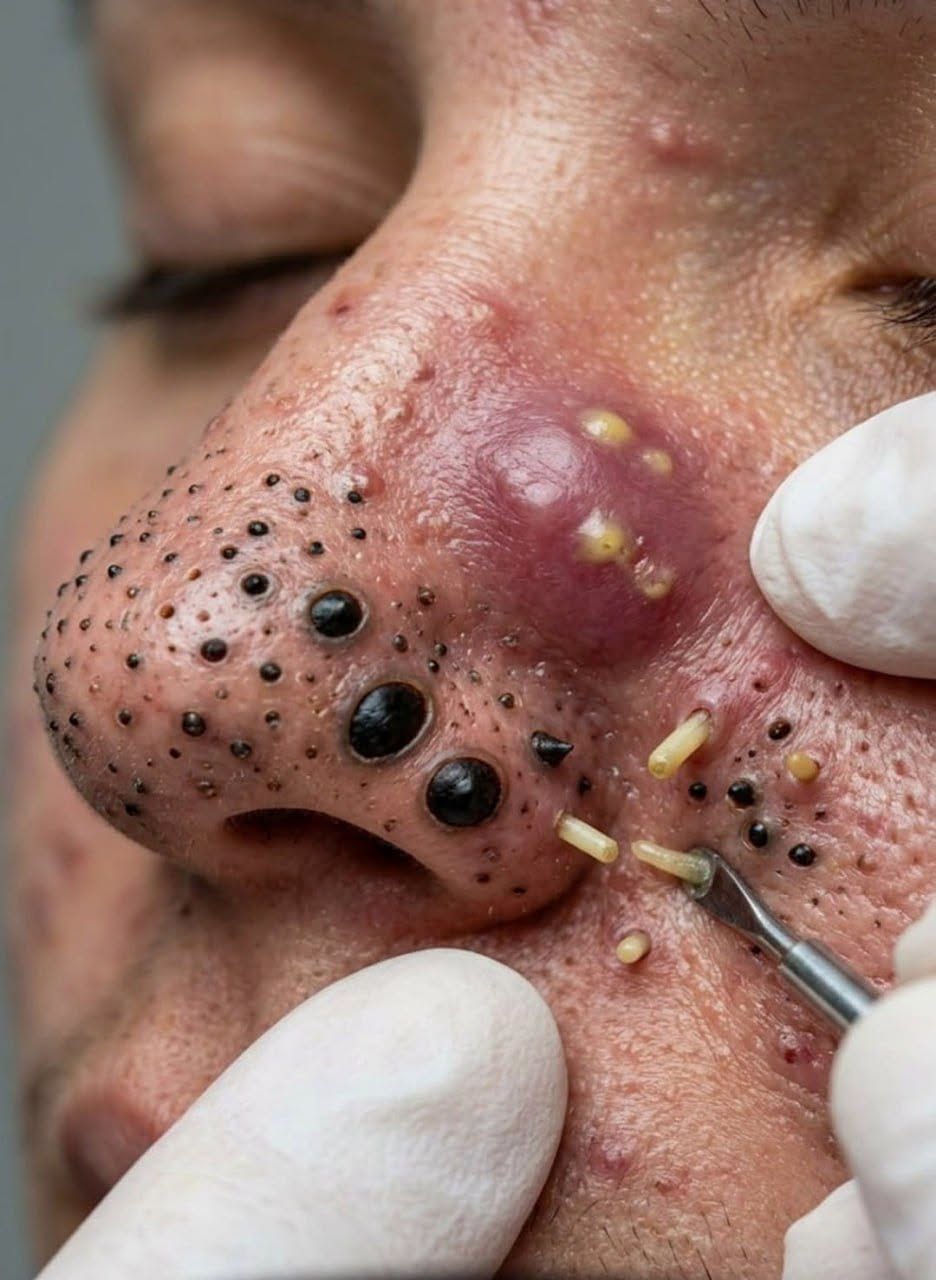
Healthy Skin and Acne: Daily Wellness Habits for Your Skin

Healthy-looking skin often begins with simple habits practiced consistently.
For people with acne-prone skin, a thoughtful daily routine can help support the skin barrier, maintain comfort, and create a balanced approach to skincare.
While acne can have many causes, including hormones, genetics, and environmental factors, everyday wellness habits can still play an important role in overall skin health.
Keep Your Skin Clean and Comfortable
Gentle cleansing is an important part of daily skincare. Washing the face in the morning and before bed can help remove excess oil, sweat, dirt, and other buildup. Choose a mild cleanser that does not leave the skin feeling overly dry or tight. Scrubbing too hard may irritate the skin, so a gentle touch is usually a better choice.
After cleansing, applying a suitable moisturizer can help maintain the skin barrier. Even oily or acne-prone skin can benefit from hydration. Look for products described as non-comedogenic if clogged pores are a concern.
Protect Your Skin During the Day
Sun protection is another useful daily wellness habit. Regular exposure to sunlight can affect the appearance of the skin and may make some post-acne marks look more noticeable. A broad-spectrum sunscreen can help protect exposed skin when spending time outdoors. Hats, shade, and protective clothing can also provide helpful support.
Support Skin Health Through Lifestyle
Skincare is only one part of a healthy routine. Drinking enough water throughout the day supports normal body functions and can help you maintain overall wellness. Eating a varied diet that includes vegetables, fruits, whole grains, protein sources, and healthy fats can also contribute to good nutrition.
Regular sleep is valuable as well. A consistent sleep schedule gives the body time to rest and recover. Managing everyday stress through relaxing activities, gentle exercise, time outdoors, or enjoyable hobbies may also support general well-being.
Be Patient With Your Routine
Acne rarely changes overnight, so consistency is more useful than constantly switching products. Give a simple routine time to work, and avoid picking or squeezing blemishes, which can irritate the skin and increase the chance of lingering marks.
If acne becomes persistent, painful, or difficult to manage, speaking with a qualified healthcare professional or dermatologist can provide personalized guidance. Professional advice can help identify suitable treatment options based on individual skin needs.
Healthy skin care does not have to be complicated. Gentle cleansing, regular moisturizing, sun protection, balanced nutrition, restful sleep, and positive daily habits can create a practical foundation for skin wellness. By taking small, consistent steps and treating your skin with care, you can support a healthier-looking complexion while building habits that benefit your overall well-being.