Healthy Skin and Acne Combining Professional Care With Healthy Habits

Healthy skin is supported by more than a good skincare routine.
For people dealing with acne, combining professional guidance
with simple, healthy habits can create a balanced approach to everyday skin care. While acne can be frustrating, taking consistent and gentle steps can help support healthier-looking skin without relying on unrealistic promises.
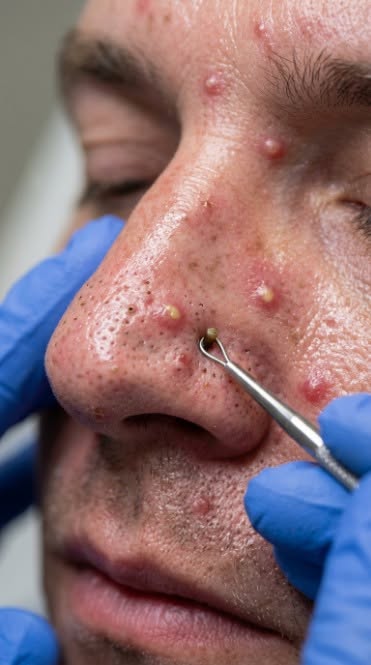
Professional care can be especially helpful when acne continues despite regular skincare efforts. A dermatologist or qualified healthcare professional can look at your skin, discuss your concerns, and recommend options that suit your individual needs. Different types of acne can require different approaches, so professional advice can help prevent unnecessary experimentation with products or routines that may irritate the skin.
At the same time, everyday habits can complement professional care. Gentle cleansing is an important starting point. Washing the face with a mild cleanser can help remove excess oil, sweat, and surface impurities without unnecessarily drying the skin. Scrubbing too hard or washing excessively may leave the skin feeling irritated, so a gentle approach is often more comfortable.
Moisturizing is another useful habit, even for acne-prone skin. A lightweight, non-comedogenic moisturizer can help maintain the skin barrier and reduce feelings of dryness. When the skin becomes overly dry or irritated, maintaining a simple moisturizing routine can make daily skincare more comfortable.
Sun protection also deserves attention. Regular exposure to sunlight can contribute to uneven skin tone and may make the appearance of marks left after breakouts more noticeable. Using a broad-spectrum sunscreen appropriate for your skin type can help protect the skin during outdoor activities.
Healthy lifestyle choices can also support overall skin wellness. Eating a varied diet that includes vegetables, fruits, whole grains, protein sources, and healthy fats provides important nutrients for general health. Drinking enough water throughout the day and getting regular physical activity can support overall well-being as well. These habits should not be viewed as a guaranteed acne treatment, but they can be valuable parts of a balanced lifestyle.
Stress and sleep are worth considering too. Everyday pressure can make healthy routines harder to maintain, while insufficient sleep may affect how refreshed you feel. Creating a relaxing evening routine and maintaining a consistent sleep schedule can support general wellness and make it easier to care for your skin consistently.
Most importantly, give your routine time to work. Acne often changes gradually, and constantly switching products may make it harder to understand what works for your skin. Professional guidance combined with patient, gentle habits can provide a practical foundation for long-term skin wellness. With consistency and realistic expectations, caring for acne-prone skin can become a manageable part of a healthy lifestyle.