
Healthy Skin and Acne: Building a Simple Skincare Routine

Healthy skin does not require a complicated routine filled with expensive products.
For people who experience acne or occasional breakouts, a simple and consistent approach can often make daily skin care easier to manage.
The goal is to keep the skin clean, comfortable, and protected while avoiding habits that may cause unnecessary irritation.
A good skincare routine usually begins with gentle cleansing. Washing the face in the morning and before bed can help remove excess oil, sweat, dirt, and other buildup from the skin. Choose a mild cleanser that suits your skin type and use lukewarm water. Scrubbing aggressively may leave the skin feeling dry or irritated, so gentle movements are a better choice.
Moisturizing is another important part of healthy skin care, even when the skin tends to become oily. When the skin becomes overly dry, it can feel uncomfortable and may encourage people to use harsh products. A lightweight, non-comedogenic moisturizer can help maintain the skin’s natural moisture balance without feeling heavy. Finding a comfortable moisturizer can make it easier to stay consistent with a daily routine.
Sun protection also deserves attention. Daily exposure to sunlight can affect the appearance and overall condition of the skin. Using a broad-spectrum sunscreen with an appropriate SPF can help protect exposed skin. People who are concerned about clogged pores can look for products labeled non-comedogenic. Sunscreen can be especially useful when using skincare products that may make the skin more sensitive to sunlight.
For acne-prone skin, it is helpful to introduce new products slowly. Some products designed for blemish-prone skin contain ingredients such as salicylic acid or benzoyl peroxide. These ingredients can be useful for some people, but they may also cause dryness or irritation if used too frequently. Following the product directions and giving the skin time to adjust can help create a more comfortable routine.
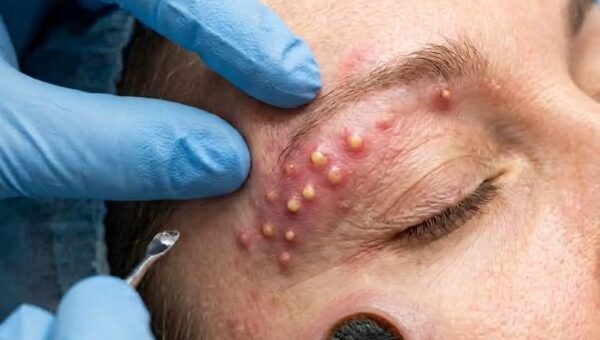
Another important habit is avoiding frequent touching, picking, or squeezing blemishes. These actions can irritate the skin and may increase the chance of lingering marks. Instead, allow the skin to recover naturally and focus on gentle daily care. Keeping pillowcases, towels, makeup tools, and other items that regularly touch the face clean can also support good hygiene.
Healthy lifestyle habits can complement a skincare routine. Getting enough sleep, drinking adequate water, eating a varied diet, managing everyday stress, and staying physically active can all contribute to general well-being. These habits are not guaranteed to prevent acne, but they can support overall health and make a balanced routine easier to maintain.
The most effective skincare routine is often the one that is simple enough to follow every day. Start with gentle cleansing, moisturizing, and sun protection, then consider adding targeted products only when needed. If acne is persistent, painful, or causing significant skin changes, a qualified healthcare professional or dermatologist can provide personalized guidance.
With patience and consistency, simple skincare habits can help support healthier-looking skin without making daily care feel overwhelming.