
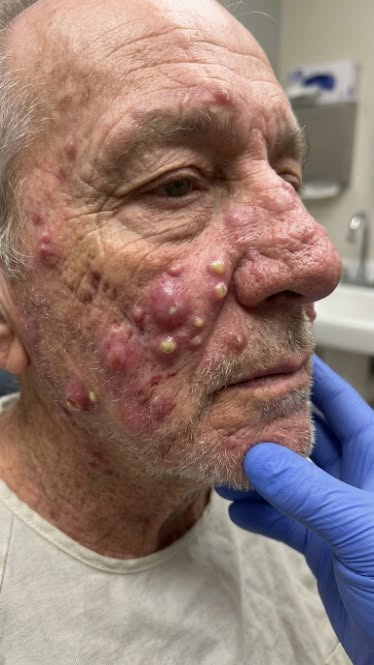
Healthy Self-Care Tips to Reduce Acne

Taking care of your skin is about more than using the right cleanser or moisturizer.
Healthy self-care habits can support your overall well-being and may also help reduce acne over time.
While acne has many causes, including hormones and genetics, a balanced lifestyle can create a healthier environment for your skin. Developing simple daily routines can make a positive difference while also helping you feel more confident.
One of the most important self-care habits is keeping your skin clean without overdoing it. Washing your face twice a day with a gentle cleanser helps remove excess oil, dirt, and sweat. Harsh scrubbing or frequent washing can irritate the skin, which may make acne appear worse. Using products that suit your skin type and avoiding heavy, greasy cosmetics can also help maintain a healthier complexion.
Eating a balanced diet is another valuable part of self-care. Fresh fruits, vegetables, whole grains, lean proteins, and healthy fats provide nutrients that support overall skin health. Drinking enough water throughout the day also helps your body stay hydrated. Although no single food can guarantee clear skin, choosing nutritious meals instead of highly processed foods can be a positive step toward better health.
Getting enough sleep is often overlooked, yet it plays an important role in overall wellness. During sleep, your body works to repair and restore itself. A consistent bedtime routine and seven to nine hours of quality sleep each night may help your body manage everyday stress and support healthy-looking skin.
Managing stress is another helpful self-care practice. Everyday stress can affect many parts of the body, including the skin. Taking time to relax through activities such as reading, walking, stretching, deep breathing, or enjoying a favorite hobby can help you feel calmer. Even a few minutes of quiet time each day can become a valuable part of your routine.
Regular physical activity supports overall health and may contribute to healthier skin. Exercise improves circulation and helps you maintain a healthy lifestyle. After working out, showering and changing into clean clothing can help remove sweat and reduce the chance of clogged pores.
It is also important to avoid touching your face throughout the day. Your hands can transfer oil, dirt, and bacteria to your skin. If you notice a pimple, try not to squeeze or pick at it, as this may increase irritation and raise the risk of temporary marks.
Choosing skincare products labeled as non-comedogenic can be helpful for people with acne-prone skin. These products are designed to reduce the likelihood of clogging pores. Introducing new products one at a time also makes it easier to understand how your skin responds.
Patience is an essential part of healthy self-care. Skin improvements often take time, and expecting overnight results can lead to frustration. Staying consistent with healthy habits is usually more effective than constantly changing products or routines.
Healthy self-care is about caring for your body and mind while treating your skin with kindness. By maintaining a gentle skincare routine, eating nourishing foods, staying hydrated, getting enough rest, managing stress, and practicing healthy daily habits, you can support your overall well-being and encourage healthier-looking skin. If acne becomes severe, painful, or persistent, consulting a qualified healthcare professional or dermatologist can help you find a treatment plan that is appropriate for your individual needs.