Healthy Nutrition Habits for Teens With Acne

Teenage years can bring many changes, including changes
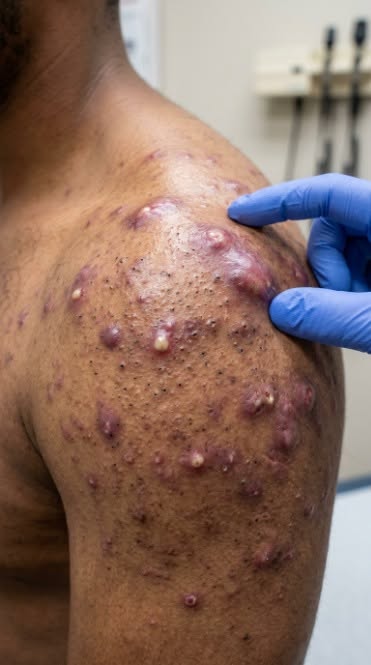
in the skin. Acne is a common experience during adolescence, and
while nutrition is not a guaranteed solution for every skin concern, healthy eating habits can support overall wellness. A balanced approach to food may help teens feel more energized, nourished, and confident while supporting the body’s normal functions.
One helpful habit is eating a variety of whole and minimally processed foods. Fruits and vegetables provide important vitamins, minerals, fiber, and natural plant compounds that support general health. Choosing a colorful variety can make meals more enjoyable and encourage balanced nutrition. Fresh, frozen, and lightly prepared produce can all be practical options for busy teens and families.
Protein is another important part of a balanced eating pattern. Foods such as eggs, fish, beans, lentils, yogurt, tofu, and lean meats can help provide nutrients needed for growth and everyday body functions. Including a source of protein with meals and snacks may also help teens feel satisfied for longer periods.
Whole grains can also be a valuable addition to daily meals. Foods such as oats, brown rice, whole-grain bread, and other high-fiber grains can provide lasting energy. Instead of thinking about foods as completely good or bad, it can be more helpful to focus on creating balance and choosing nutritious options most of the time.
Drinking enough water is another simple habit that supports overall wellness. Water helps the body perform many normal functions and can be a refreshing alternative to sugary drinks. Teens can make hydration easier by carrying a reusable water bottle, drinking water with meals, and choosing water regularly throughout the day.
It is also helpful to pay attention to highly processed foods and drinks that may provide large amounts of added sugar or offer limited nutritional value. This does not mean that teens need to follow strict food rules or feel guilty about enjoying favorite treats. A flexible approach to eating is usually easier to maintain. The goal can be to enjoy nutritious foods regularly while still allowing room for occasional enjoyable foods.
Regular meals are especially important during the busy teenage years. Skipping meals may leave some teens feeling tired, overly hungry, or less focused later in the day. A balanced breakfast, lunch, dinner, and nourishing snacks can help support steady energy for school, sports, hobbies, and other activities.
It is important to remember that acne can be influenced by many factors, including normal hormonal changes, genetics, skin care habits, and other individual differences. Food alone cannot explain or control every case of acne. Teens who have ongoing concerns about their skin can speak with a parent, guardian, or qualified healthcare professional for personalized guidance.
Healthy nutrition habits do not need to be complicated. Eating a variety of nourishing foods, staying hydrated, enjoying regular meals, and avoiding overly restrictive diets can support overall well-being. By focusing on balance rather than perfection, teens can build positive habits that support both their growing bodies and their everyday confidence.