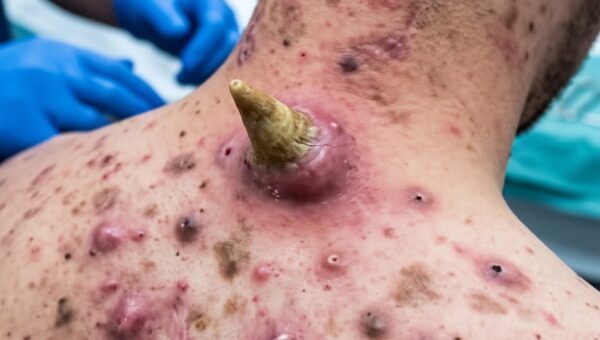
Living with sensitive acne-prone skin can feel challenging, but the right daily habits can make a meaningful difference over time.
Advertisement
While there is no instant solution for acne, creating a healthy lifestyle supports your skin’s natural
Advertisement
balance and may help reduce irritation and breakouts. Small, consistent changes often have a greater impact than complicated routines or harsh treatments.
A gentle skincare routine is one of the best places to start. Sensitive skin responds better to mild, fragrance-free cleansers that remove dirt and excess oil without stripping away natural moisture. Washing your face twice a day with lukewarm water is usually enough. Scrubbing too hard or using strong products too often can weaken the skin barrier and increase redness. After cleansing, apply a lightweight, non-comedogenic moisturizer to help keep the skin hydrated and comfortable.
Advertisement
Nutrition also plays an important role in supporting overall skin health. A balanced diet filled with colorful vegetables, fresh fruits, whole grains, lean proteins, and healthy fats provides essential nutrients that help the body function well. Foods rich in vitamins A, C, and E, along with zinc and omega-3 fatty acids, may contribute to healthy-looking skin. Drinking enough water throughout the day also supports normal body functions and helps maintain skin hydration.
Sleep is another valuable part of a healthy lifestyle. During restful sleep, the body carries out many natural repair processes. Adults should aim for enough quality sleep each night to support overall well-being. Establishing a relaxing bedtime routine and maintaining a consistent sleep schedule may also help reduce daily stress.
Managing stress is especially important for people with sensitive acne-prone skin. Emotional stress does not directly cause acne, but it may contribute to flare-ups in some individuals. Gentle activities such as walking, stretching, deep breathing, reading, or spending time outdoors can help create a sense of calm. Taking regular breaks during busy days also supports both mental and physical wellness.
Regular physical activity benefits the entire body, including the skin. Exercise improves circulation and supports overall health. After workouts, showering promptly and changing into clean clothing can help remove sweat and reduce the chance of clogged pores. Wearing breathable fabrics during exercise may also improve comfort for sensitive skin.
Sun protection should not be overlooked. Daily use of a broad-spectrum sunscreen designed for sensitive or acne-prone skin helps protect against harmful ultraviolet rays. Many lightweight, non-comedogenic formulas are available that provide protection without feeling heavy or greasy. Wearing a hat and seeking shade during peak sunlight hours can offer additional protection.
It is equally important to avoid picking or squeezing pimples. Although it may seem tempting, touching blemishes can increase irritation and raise the risk of temporary marks. Keeping hands away from the face and changing pillowcases, towels, and makeup brushes regularly can help maintain good hygiene without overcomplicating your routine.
Healthy skin is often the result of steady, balanced habits rather than quick fixes. By combining gentle skincare, nutritious eating, regular exercise, quality sleep, stress management, and sun protection, you can create a supportive environment for sensitive acne-prone skin. With patience and consistency, these healthy lifestyle choices can help your skin feel more comfortable while supporting your overall health and confidence.
We use cookies to personalize content and ads, to provide social media features and to analyze our traffic. We also share information about your use of our site with our social media, advertising and analytics partners. Privacy Policy.