
Healthy Approaches to Caring for Acne-Prone Skin

Caring for acne-prone skin can sometimes feel confusing because there is so much advice available.
New products, changing trends, and conflicting information may make it difficult to
know which habits are worth following. In many cases, a simple and consistent approach can be a helpful starting point. Healthy skin care is often less about using many products and more about choosing gentle habits that support the skin’s natural balance.
One important approach is to keep the daily cleansing routine simple. Washing the face regularly can help remove sweat, excess oil, sunscreen, and other buildup that collects during the day. However, washing too frequently or scrubbing the skin harshly may leave it feeling dry or irritated. A gentle cleanser and lukewarm water can provide a more comfortable option for everyday care. After cleansing, gently patting the skin dry instead of rubbing it can also help reduce unnecessary friction.
Choosing skin care products carefully may also be useful for acne-prone skin. Heavy or strongly fragranced products do not work the same way for everyone, so paying attention to how the skin responds can be valuable. Many people prefer products designed to feel lightweight and comfortable on the skin. When trying something new, introducing one product at a time can make it easier to understand whether it fits comfortably into an existing routine.
Moisturizing is another healthy part of skin care that is sometimes overlooked. Even skin that appears oily can benefit from maintaining adequate moisture. When the skin feels overly dry or uncomfortable, the overall routine may become difficult to maintain. A gentle moisturizer that suits an individual’s skin type can help the skin feel soft and balanced without making the routine unnecessarily complicated.
Daily habits outside of skin care can also play a role in overall skin wellness. Getting enough rest, drinking fluids throughout the day, eating a varied and balanced diet, and finding healthy ways to manage everyday stress can support general well-being. These habits are not guaranteed solutions for acne, but they can contribute to a healthy lifestyle and may encourage people to pay closer attention to how their bodies and skin feel.
It can also be helpful to avoid touching or picking at the face whenever possible. Hands come into contact with many surfaces during the day, and frequent touching may add unnecessary dirt or irritation to the skin. Picking at blemishes can also make the skin more uncomfortable and may interfere with its natural recovery process. Developing awareness of this habit can be a positive step toward gentler skin care.
Patience is especially important when caring for acne-prone skin. Skin can change over time due to factors such as lifestyle, environment, age, and individual differences. A routine that feels comfortable may take time to develop. Constantly changing products can make the process more frustrating, so giving a simple routine time before making unnecessary adjustments may be helpful.
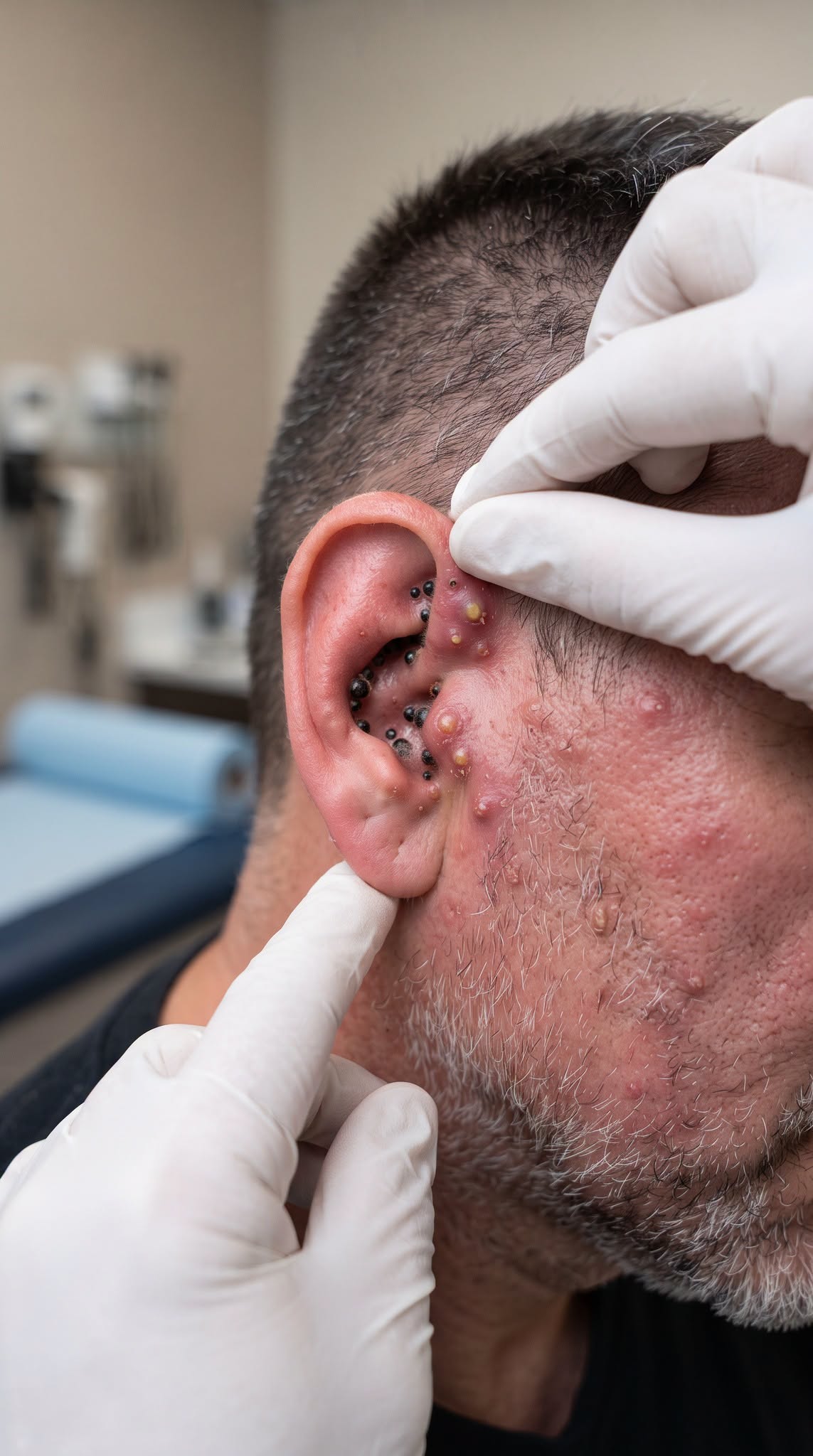
If acne becomes persistent, severe, painful, or causes significant concern, speaking with a qualified healthcare professional or dermatologist can provide personalized guidance. Everyone’s skin is different, and professional advice can help people better understand their individual needs.
Healthy care for acne-prone skin does not need to be complicated. Gentle cleansing, appropriate moisturizing, thoughtful product choices, and supportive daily habits can create a practical foundation for skin wellness. By focusing on consistency and treating the skin with patience and care, it is possible to build a routine that feels simple, comfortable, and sustainable.