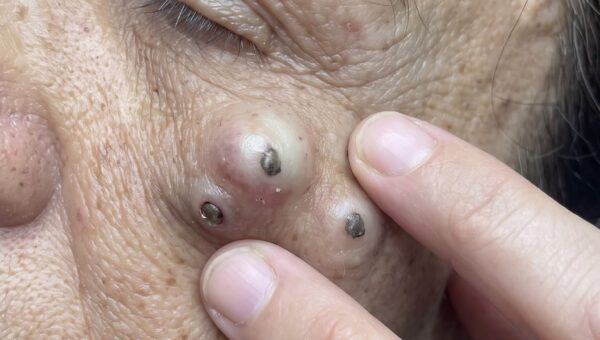
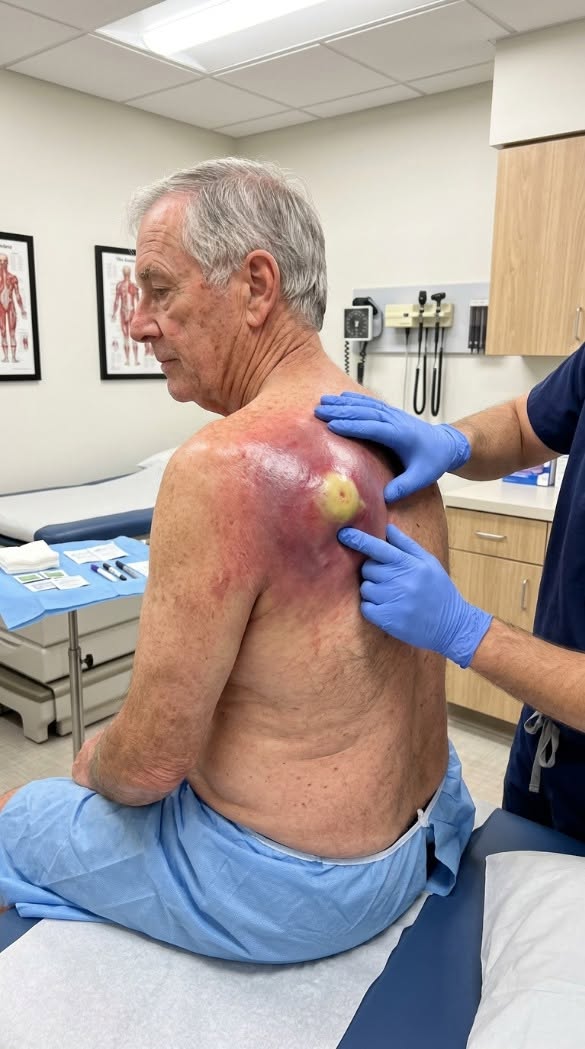
Healthy Approaches to Caring for Acne-Prone Skin

Caring for acne-prone skin can sometimes feel confusing, especially when there are so many products, routines, and opinions available.
The good news is that healthy skin care does not always need to be complicated.
A gentle, consistent approach can help support the skin’s overall comfort and appearance while encouraging healthy daily habits.
One of the most helpful starting points is keeping the skin care routine simple. Cleansing the face gently can remove everyday buildup such as excess oil, sweat, and environmental impurities. However, washing too frequently or using products that feel overly harsh may leave the skin feeling dry or uncomfortable. Choosing a mild cleanser that suits your skin type and using it consistently can be a practical part of a balanced routine.
Moisturizing is another important step that is sometimes overlooked by people with acne-prone skin. Even oily skin can benefit from appropriate hydration. When the skin feels dry or tight, comfort may be affected, and the overall skin barrier may need extra support. A lightweight moisturizer designed for your skin type can help maintain a soft and comfortable feeling without making the routine unnecessarily heavy.
It is also helpful to pay attention to how you treat the skin throughout the day. Frequent touching, rubbing, or picking at blemishes may irritate the area. Giving the skin time and avoiding unnecessary contact can be a healthier approach. Keeping commonly used items, such as pillowcases, towels, makeup brushes, and phone screens, clean may also support good everyday hygiene.
Sun protection can be an important part of caring for acne-prone skin as well. Spending time outdoors without appropriate protection may contribute to skin discomfort and uneven-looking tone. A suitable sunscreen that feels comfortable on the skin can be included as part of a morning routine. Finding products that work well with your skin may take time, so introducing new products gradually can make it easier to notice how your skin responds.
Lifestyle habits can also support overall skin wellness. Eating a varied and balanced diet, drinking enough fluids, getting regular rest, and managing everyday stress can all contribute to general well-being. These habits are not guaranteed to eliminate acne, but taking care of the body as a whole can be a positive part of maintaining a healthy routine.
Patience is especially important when caring for acne-prone skin. Frequently changing products or trying many new treatments at once can make it difficult to understand what works best for your individual needs. A consistent routine and realistic expectations may help make skin care feel less stressful.
Everyone’s skin is different, and what works well for one person may not work the same way for someone else. If acne is persistent, uncomfortable, or causing concern, speaking with a qualified health professional or dermatologist can provide personalized guidance. A healthy approach focuses on gentle care, consistency, and supporting overall skin wellness rather than searching for an instant solution.
By keeping routines simple and treating the skin with patience and care, people with acne-prone skin can build habits that support comfort, confidence, and long-term skin wellness.