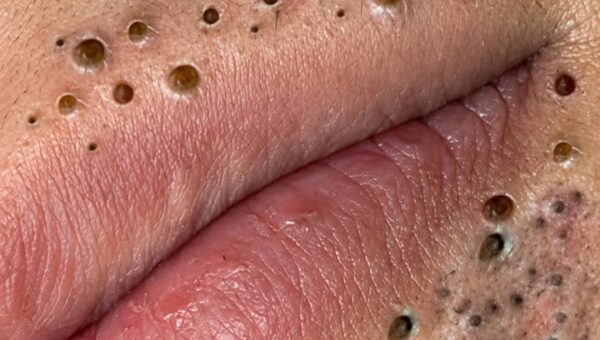

Foods That Promote Healthy Skin and Fewer Pimples

Healthy skin often starts from within. While no single food can completely prevent pimples,
eating a balanced diet filled with nutritious ingredients can support your skin’s natural health.
The foods you choose each day provide vitamins, minerals, healthy fats, and antioxidants that
help your body maintain strong, healthy skin. Combined with a consistent skincare routine, regular exercise, good sleep, and proper hydration, healthy eating can make a positive difference over time.
Fresh fruits and vegetables are some of the best foods for skin wellness. Colorful produce contains antioxidants that help protect skin from everyday environmental stress. Vitamin C, found in oranges, strawberries, kiwi, and bell peppers, supports collagen production, which helps keep skin firm and smooth. Leafy greens such as spinach and kale provide vitamins A and K, along with other nutrients that contribute to overall skin health.
Healthy fats also play an important role in maintaining balanced skin. Foods such as salmon, sardines, walnuts, flaxseeds, and chia seeds contain omega-3 fatty acids that help support the skin’s natural moisture barrier. Well-hydrated skin often appears softer and healthier, while a strong skin barrier helps protect against dryness and irritation.
Whole grains can be another valuable addition to a skin-friendly diet. Brown rice, oats, quinoa, and whole wheat products provide fiber that supports healthy digestion. Choosing whole grains instead of heavily refined carbohydrates may also help maintain steady energy levels throughout the day. A balanced eating pattern that includes fiber-rich foods supports overall wellness, which can benefit the skin.
Protein is essential for repairing and renewing body tissues, including the skin. Lean chicken, turkey, fish, eggs, beans, lentils, and tofu are excellent protein sources. These foods also provide important nutrients such as zinc and iron, which contribute to normal skin function. Including a variety of protein sources in your meals helps ensure your body receives the building blocks it needs for healthy skin.
Nuts and seeds offer a combination of healthy fats, vitamin E, and minerals that support skin health. Almonds, sunflower seeds, pumpkin seeds, and walnuts can be enjoyed as simple snacks or added to salads and yogurt. Vitamin E helps protect skin cells from oxidative stress and supports a healthy complexion.
Staying hydrated is just as important as choosing nutritious foods. Drinking enough water throughout the day helps maintain normal body functions and supports healthy-looking skin. Water-rich foods such as cucumbers, watermelon, celery, and oranges can also contribute to daily hydration while providing additional vitamins and minerals.
Fermented foods like yogurt with live cultures, kefir, kimchi, and sauerkraut contain beneficial bacteria that support digestive health. A healthy digestive system contributes to overall wellness, and many people include these foods as part of a balanced diet. Choosing plain varieties with little added sugar is often a nutritious option.
It is also helpful to enjoy sweet treats, sugary drinks, and highly processed foods in moderation as part of an overall balanced eating pattern. Rather than focusing on strict food rules, aim for variety and consistency. Preparing meals at home with fresh ingredients gives you greater control over nutrition and portion sizes.
Healthy, glowing skin develops through long-term habits rather than quick solutions. Eating a wide range of nutrient-rich foods, staying hydrated, getting enough sleep, managing stress, and following a gentle skincare routine all work together to support clear, healthy-looking skin. Small, consistent choices each day can help you feel healthier while giving your skin the care it deserves.