
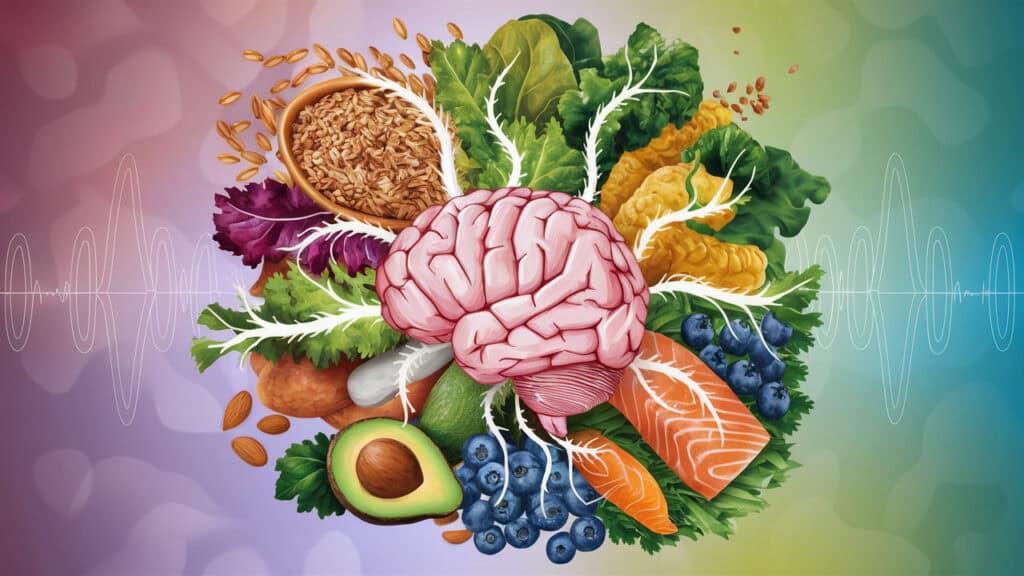
Exploring the Connection Between Wellness and Healthy Eating

Wellness is a concept that goes far beyond the absence of illness. It represents a balanced state of physical, mental, and emotional well-being that allows people to enjoy life and perform daily activities with energy and confidence. While many factors contribute to overall wellness, healthy eating remains one of the most important foundations. The foods people consume each day have a direct impact on how they feel, think, and function. Understanding the connection between wellness and healthy eating can help individuals make informed choices that support a healthier and more fulfilling lifestyle.
Healthy eating is not about strict diets or avoiding favorite foods forever. Instead, it involves creating balanced eating habits that provide the body with essential nutrients. These nutrients include carbohydrates, proteins, healthy fats, vitamins, minerals, and water. Together, they help maintain normal body functions, support growth and repair, and provide the energy needed for everyday activities.
One of the most noticeable benefits of healthy eating is improved physical health. The body relies on nutrients from food to build strong muscles, maintain healthy bones, and support the immune system. When people consume a variety of nutrient-rich foods such as fruits, vegetables, whole grains, lean proteins, and healthy fats, they are more likely to meet their nutritional needs. This balanced approach helps support overall wellness and may reduce the likelihood of certain health concerns over time.
Energy levels are also closely connected to food choices. Many people experience periods of tiredness or low energy during the day, often without realizing that nutrition may play a role. Foods that contain a balance of complex carbohydrates, protein, and healthy fats can provide steady energy throughout the day. In contrast, meals high in added sugars and heavily processed ingredients may lead to temporary energy boosts followed by feelings of fatigue. Choosing wholesome foods can help maintain more consistent energy levels and support daily productivity.
Healthy eating is equally important for mental well-being. The brain requires a continuous supply of nutrients to function effectively. Research has shown that nutrition can influence mood, concentration, and cognitive performance. Foods rich in vitamins, minerals, and healthy fats support normal brain function and may contribute to a more positive state of mind. While food alone cannot solve every mental health challenge, maintaining a nutritious diet can be a valuable part of a broader wellness strategy.
Hydration is another key element in the relationship between wellness and healthy eating. Water plays a critical role in nearly every bodily process, including digestion, circulation, temperature regulation, and nutrient transport. Even mild dehydration can affect concentration, mood, and physical performance. Drinking enough water throughout the day supports overall wellness and complements healthy eating habits. Choosing water regularly can also help reduce the consumption of sugary beverages that may provide excess calories without significant nutritional value.
Another important aspect of wellness is maintaining a healthy digestive system. The digestive tract is responsible for breaking down food, absorbing nutrients, and eliminating waste. A diet rich in fiber from fruits, vegetables, legumes, and whole grains supports digestive health and helps promote regular bowel movements. Healthy digestion contributes to overall comfort and allows the body to efficiently utilize nutrients from food.
Healthy eating also supports long-term wellness goals. Consistent nutritional habits can contribute to maintaining a healthy body weight and supporting normal metabolic function. Rather than focusing on short-term dieting trends, many health experts encourage sustainable lifestyle changes that can be maintained over time. Small improvements, such as adding more vegetables to meals or choosing whole grains instead of refined grains, can make a meaningful difference when practiced consistently.
The connection between wellness and healthy eating extends beyond physical health and includes emotional well-being. Food often plays a role in social gatherings, family traditions, and cultural celebrations. Enjoying meals with family and friends can create positive experiences that contribute to emotional wellness. Developing a healthy relationship with food means appreciating both nourishment and enjoyment without feelings of guilt or restriction.
Mindful eating is another practice that can strengthen the link between wellness and nutrition. Mindful eating involves paying attention to hunger and fullness cues, eating slowly, and appreciating the flavors and textures of food. This approach encourages greater awareness of eating habits and may help individuals make more intentional food choices. By focusing on the eating experience, people often develop a deeper connection with their nutritional needs.
Sleep quality is another area influenced by healthy eating habits. Nutrition and sleep share a close relationship. Consuming balanced meals throughout the day and avoiding excessive intake of highly processed foods may support healthy sleep patterns. Quality sleep, in turn, contributes to better wellness by supporting recovery, mental clarity, and emotional balance. When healthy eating and good sleep habits work together, they create a strong foundation for overall well-being.
Modern lifestyles can sometimes make healthy eating challenging. Busy schedules, convenience foods, and constant access to highly processed snacks may lead individuals away from balanced nutrition. However, healthy eating does not require perfection. Simple and practical changes can have a positive impact. Preparing meals at home more often, planning nutritious snacks, and including a variety of colorful foods in the diet are effective ways to support wellness without unnecessary complexity.
Education also plays an important role in helping people make healthier food choices. Understanding nutrition labels, learning basic cooking skills, and recognizing the benefits of different food groups can empower individuals to take greater control of their health. Knowledge encourages confidence and allows people to make decisions that align with their personal wellness goals.
The journey toward wellness is unique for every individual. Factors such as age, activity level, lifestyle, and personal preferences all influence nutritional needs. There is no single eating pattern that works for everyone. The key is finding a balanced and sustainable approach that supports both health and enjoyment. Listening to the body’s needs and making gradual improvements can lead to lasting positive results.
In conclusion, wellness and healthy eating are deeply connected. The foods people choose each day influence physical health, mental well-being, energy levels, digestion, hydration, and overall quality of life. By focusing on balanced nutrition and developing mindful eating habits, individuals can support their wellness goals and enjoy a healthier lifestyle. Healthy eating is not about perfection but about making consistent choices that nourish the body and mind. Over time, these choices contribute to greater well-being and help create a strong foundation for a vibrant and active life.